






Outdoor play is an important part of childhood because it gives children opportunities to stay active, explore their surroundings and develop new skills. Having access to suitable outdoor play equipment can make gardens and play areas more enjoyable while encouraging children to spend time away from screens. From swings and slides to climbing frames and trampolines, different types of equipment offer exciting ways to support physical activity and creativity. Choosing the right options can help families create an engaging outdoor environment where children can play, learn and enjoy themselves.
Swings and Slides for Everyday Outdoor Fun
Swings and slides are among the most popular choices for choosing the right outdoor toys area because they offer simple activities that can keep young learners entertained. Swings allow children to experience movement while developing balance, coordination and body awareness. Different designs are available, including traditional belt swings, bucket seats for younger children and larger options for older users. Parents should consider the recommended age range, weight limits and available installation space when comparing different models. Choosing a suitable swing with secure fittings and an appropriately designed seat can help create a more comfortable play experience.
Slides provide another enjoyable way for children to stay active while exploring movement and developing confidence. They encourage children to climb, balance and coordinate their movements as they make their way to the top before sliding down. Outdoor slides are available in different heights, materials and designs, making it possible to find an option that suits various age groups and garden sizes. Plastic slides may be suitable for younger children, while larger play structures can offer additional challenges for older users. Parents should check that the equipment has stable steps, suitable handrails and a secure base. Placing swings and slides on an appropriate impact-absorbing surface can also help reduce the risk of injuries during everyday play.
Climbing Frames for Building Strength and Confidence
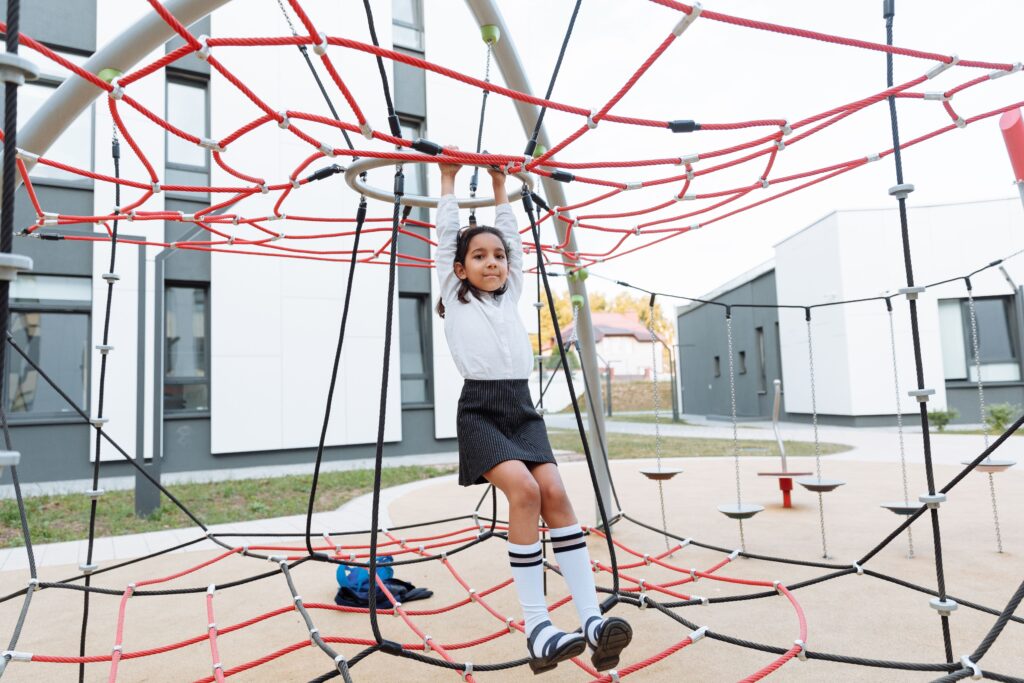
Climbing frames can provide children with opportunities to challenge themselves physically while developing important movement skills. These structures may include ladders, climbing walls, ropes, platforms and connecting bridges that encourage children to explore different routes. Climbing requires the coordinated use of arms, legs and balance, helping children develop strength and body control through enjoyable physical activity. Different levels of difficulty can also encourage children to gradually build confidence as they become more familiar with the equipment. Selecting a climbing frame that matches the child’s age, abilities and developmental stage is essential for creating an appropriate play experience.
Modern climbing frames are available in materials such as treated timber, metal and durable plastic, each offering different advantages. Wooden structures can create a natural appearance in garden settings, while metal designs may provide a sturdy framework for regular outdoor use. Before purchasing, parents should examine the quality of the materials, stability of the structure and recommended installation requirements. Safety features such as secure platforms, appropriate handholds and protective ground surfaces should also be considered. It is important to inspect climbing equipment regularly for loose fittings, damaged components and signs of deterioration. With suitable selection and maintenance, climbing frames can become a valuable addition to an outdoor play area.
Trampolines for Active Movement and Physical Development
Trampolines are another popular outdoor play option that can encourage children to enjoy physical activity in an exciting way. Bouncing provides opportunities to practise balance, coordination and body control while keeping children engaged. Different trampoline sizes and designs are available, allowing families to compare options according to their outdoor space and the manufacturer’s age recommendations. Features such as secure enclosure netting, protective padding and a durable frame should be carefully assessed before making a purchase. Parents should also check the maximum weight limit and installation instructions to ensure that the selected model is appropriate for its intended use.
Although trampolines can offer enjoyable recreational experiences, they require careful supervision and clear safety rules. Children should use the equipment one at a time to reduce the possibility of collisions and injuries. Flips, rough play and attempts at advanced tricks should be discouraged, particularly when children have limited experience. The trampoline should be installed on a level surface with adequate clearance from fences, trees and other obstacles. Regularly checking the jumping mat, springs, enclosure and frame can also help identify damage before it becomes a safety concern. When used responsibly, a suitable trampoline can provide an engaging option for encouraging active outdoor play.
Sandpits and Water Play Equipment for Creative Exploration
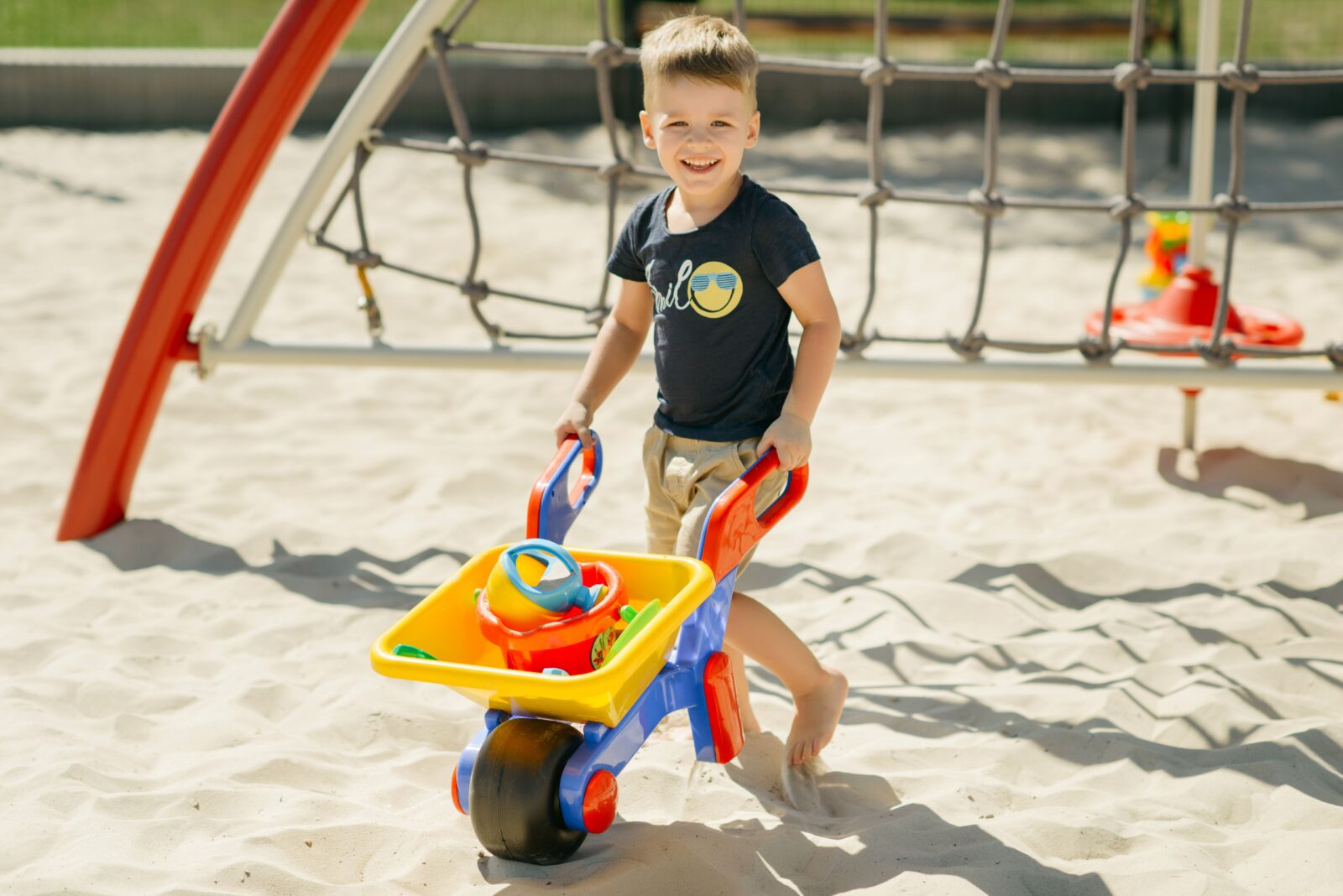
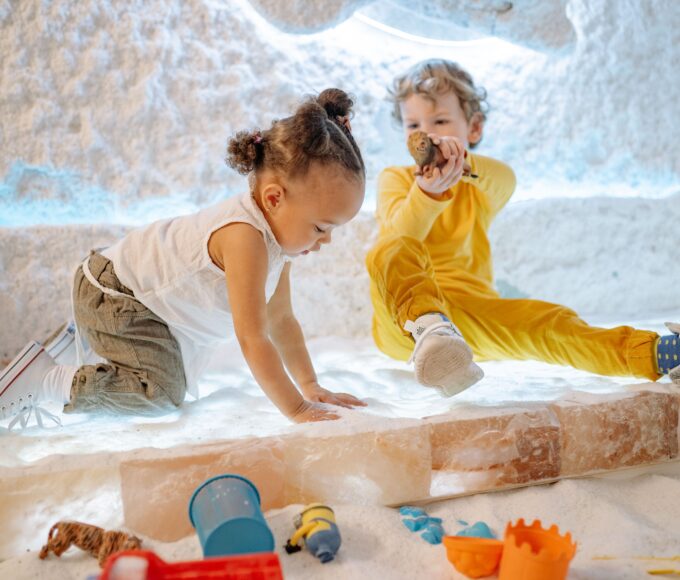
Sandpits provide an excellent opportunity for younger children to enjoy imaginative and sensory activities outdoors. Playing with sand, buckets, spades and moulds allows children to create different shapes, build small structures and explore textures. These activities can also introduce basic concepts involving measurement, volume and problem-solving without making learning feel like a formal task. Children can experiment with different ways of filling containers, constructing sandcastles and arranging materials. A covered sandpit can help protect the sand from animals, leaves and unwanted debris when it is not being used. Parents should also check that the sand is suitable for children’s play and maintain good hygiene by keeping the area clean and dry.
Water play equipment offers another enjoyable way for children to explore their surroundings during warmer weather. Simple resources such as water tables, splash pads, small fountains and child-friendly water channels can encourage imaginative activities and hands-on discovery. Children can experiment with pouring, floating and transferring water between different containers while developing coordination and observation skills. These activities can also provide opportunities for social interaction when siblings or friends participate together. However, even shallow water presents a drowning risk, so constant, attentive adult supervision is essential whenever children are playing with water. Choosing stable equipment, following product instructions and maintaining a clean play area can help make these activities more suitable for everyday outdoor enjoyment.
Creating a Safe and Enjoyable Outdoor Play Environment
Selecting suitable play equipment is only one part of creating an enjoyable outdoor space for children. The overall layout, available ground surface and surrounding environment also influence how comfortably children can use different structures. Families should consider the amount of space required for each item and avoid placing equipment too close to walls, fences, trees or hard surfaces. Age-appropriate impact-absorbing materials, such as suitable playground mulch or safety-rated rubber surfacing, can provide additional protection beneath climbing structures and swings. It is also important to keep pathways clear so children can move between different activities without unnecessary obstacles.
A well-planned outdoor play area should offer a balance of physical challenges, creative opportunities and quieter activities. Combining swings, slides, climbing equipment and sensory play resources can give children different ways to enjoy their surroundings throughout the year. Parents should regularly inspect equipment for loose screws, damaged surfaces, unstable supports and other potential hazards. Following installation guidelines and manufacturer maintenance recommendations can help preserve the condition of outdoor structures. It is equally important to encourage children to follow simple rules, take turns and use equipment according to its intended purpose. By choosing suitable equipment and maintaining a safe environment, families can create an outdoor space that encourages movement, imagination and enjoyable childhood experiences.





Leave a comment