






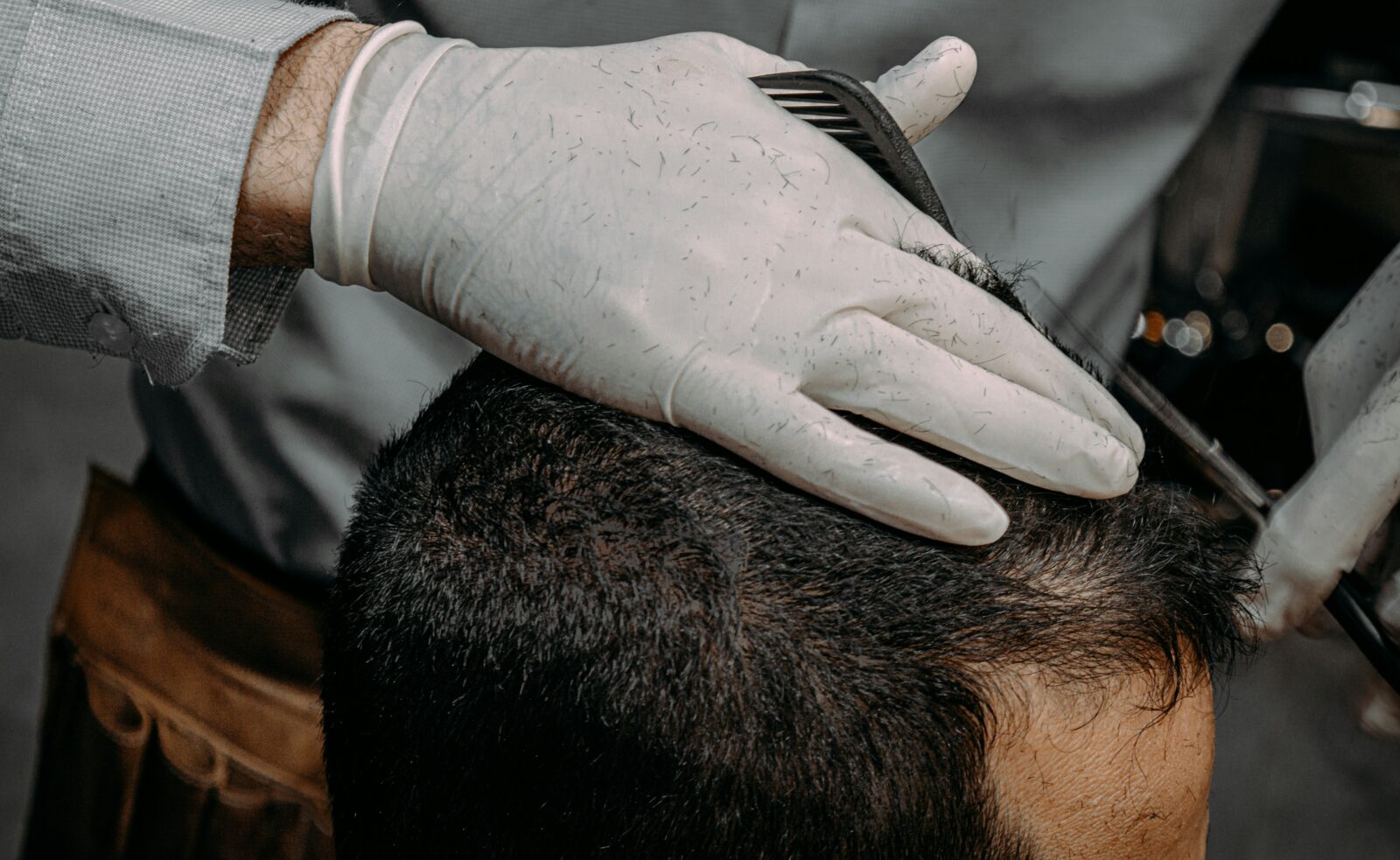
Choosing the right professional is an important first step towards achieving successful hair restoration results. Hair loss can develop for many reasons, including genetic factors, hormonal changes, nutritional deficiencies, medical conditions, medications, and scalp disorders. Because these causes may require different treatments, seeking a professional assessment helps ensure that the recommended approach addresses the underlying problem rather than focusing only on visible thinning. A qualified dermatologist or experienced hair restoration specialist can evaluate your scalp, review your medical history, and identify the most appropriate next steps.
During the initial consultation, the specialist may examine your hair density, assess the pattern of hair loss, and ask about family history, lifestyle factors, and previous treatments. Depending on your symptoms, additional investigations, such as blood tests or a closer examination of the scalp, may be recommended. This process can help distinguish between conditions that may respond to medication and those that could require other interventions. For example, temporary hair shedding caused by an underlying medical issue may need a different approach from hereditary pattern hair loss. Understanding the cause before starting treatment can help prevent unnecessary expenses and unrealistic expectations.
A professional assessment also provides an opportunity to discuss your concerns, preferences, and long-term goals. You can explain whether your priority is slowing further hair loss, improving hair density, restoring a receding hairline, or exploring surgical options. This information allows the specialist to recommend a treatment plan that reflects your individual circumstances. Rather than choosing a procedure based on advertising or recommendations from others, beginning with an accurate assessment creates a more reliable foundation for informed decision-making.
Choose a Qualified and Experienced Hair Restoration Specialist
The professional you choose can significantly influence the quality, safety, and overall experience of your hair restoration treatment. When researching follicle clinics hair doctors, it is important to look for practitioners with appropriate medical qualifications, relevant specialist training, and experience treating your particular type of hair loss. For medical hair loss concerns, a qualified dermatologist may be the most appropriate starting point. If you are considering a hair transplant, look for a suitably qualified surgeon with specific experience in hair restoration procedures and a clear understanding of donor hair management, surgical planning, and postoperative care.
Before making a decision, verify the practitioner’s credentials through the relevant professional or medical regulatory body in your country. Ask who will perform each stage of a procedure, including consultation, extraction, implantation, and follow-up care. You can also request to review genuine before-and-after photographs of patients with similar hair loss patterns, while recognising that individual results vary. A responsible specialist should explain the limitations of treatment, discuss potential complications, and provide realistic expectations rather than promising guaranteed density or permanent results in every case.
Communication is another important consideration. You should feel comfortable asking questions and discussing your concerns without being pressured into purchasing a particular treatment package. Be cautious of clinics that recommend surgery before establishing a diagnosis, offer unrealistic guarantees, or rely heavily on limited-time discounts. A professional clinic should provide transparent information about treatment procedures, potential risks, expected outcomes, and aftercare arrangements. Taking the time to compare qualifications, experience, communication, and follow-up support can help you select a professional who prioritises your wellbeing throughout the process.

Explore Personalised Treatment Options Before Making a Decision
Hair restoration is not a one-size-fits-all process, and the most suitable treatment depends on the cause and severity of hair loss, your medical history, and your personal expectations. Professional guidance helps you understand the available options and determine which approaches may offer meaningful benefits. Depending on the diagnosis, treatment may involve medication, non-surgical therapies, hair transplantation, or a combination of approaches. A specialist should explain the potential advantages, limitations, costs, and maintenance requirements of each suitable option.
For individuals experiencing hereditary pattern hair loss, treatments such as topical minoxidil or certain prescription medications may be considered when clinically appropriate. Their suitability varies, and potential side effects and contraindications should be discussed with a healthcare professional. Other conditions, including inflammatory scalp disorders and alopecia areata, may require different treatments. If hair transplantation is being considered, the specialist should evaluate the donor area, the current pattern of hair loss, and the likelihood of future progression before recommending surgery. Transplantation redistributes existing follicles rather than creating new ones, so careful planning is essential for achieving a natural-looking result.
Some patients also explore options such as platelet-rich plasma therapy or low-level light therapy. However, the evidence supporting these approaches varies, and outcomes are not guaranteed. A reliable professional should distinguish between established treatments and emerging therapies rather than presenting every available option as equally effective. Personalised planning also means considering your budget, willingness to follow a treatment routine, recovery time, and long-term maintenance needs. By comparing suitable options with professional guidance, you can make a balanced decision based on credible information rather than trends or promotional claims.
Consider Treatment Costs, Recovery Time, and Long-Term Commitment
Understanding the financial and practical aspects of hair restoration is an essential part of choosing professional guidance. Treatment costs can vary according to the type of procedure, the extent of hair loss, the specialist’s experience, the clinic’s facilities, and the number of appointments required. Non-surgical treatments may involve recurring expenses for medication or maintenance sessions, while hair transplantation typically requires a larger initial investment. During your consultation, ask for a clear breakdown of expected costs, including consultations, investigations, medication, follow-up visits, and any additional care that may be necessary.
It is equally important to understand the time commitment associated with your chosen treatment. Non-surgical approaches may require consistent use over several months before noticeable changes become apparent, and ongoing treatment may be necessary to maintain the benefits. Hair transplantation involves a recovery period during which the scalp needs appropriate care, and visible results develop gradually rather than immediately. Temporary shedding of transplanted hairs can occur during the early stages of recovery, while new growth generally takes several months to become noticeable. Your specialist should explain the expected timeline and provide clear instructions for managing the scalp during healing.
Before committing to treatment, consider whether the recommended plan is realistic for your lifestyle and financial circumstances. Avoid making decisions based solely on low introductory prices or promises of rapid results. A trustworthy clinic should explain what is included in the quoted price, what may cost extra, and what outcomes are reasonably achievable. You should also ask about arrangements for managing complications and obtaining support after the procedure. Planning for both immediate expenses and long-term care helps you make a more informed decision and reduces the likelihood of disappointment caused by unexpected costs or unrealistic expectations.
Monitor Progress and Maintain a Long-Term Hair Care Plan
Hair restoration is often a gradual process, making regular follow-up appointments important for evaluating progress and identifying any concerns. A qualified professional can monitor changes in hair density, scalp health, and treatment response over time. Standardised photographs taken at appropriate intervals can provide a useful comparison, particularly when changes are too subtle to notice from day to day. Follow-up appointments also allow your specialist to assess whether the treatment remains suitable or whether adjustments may be needed based on your response, side effects, or changes in the pattern of hair loss.
Maintaining realistic expectations is essential throughout the restoration journey. Hair growth cycles vary, and results depend on factors such as the underlying cause of hair loss, the treatment selected, individual biology, and consistency with the recommended plan. Some treatments may slow further thinning or improve hair density without fully restoring the original hairline. Even after a successful transplant, existing non-transplanted hair may continue to thin, which is why long-term monitoring and, where appropriate, medical management can remain important. Your specialist should explain these possibilities and help you understand how progress will be assessed.
Alongside professional treatment, general hair care practices can support scalp health. Using gentle hair care products, avoiding excessive heat or tight hairstyles, maintaining a balanced diet, and addressing diagnosed nutritional deficiencies may be beneficial. However, these measures cannot replace appropriate medical treatment when a specific condition is responsible for hair loss. If you experience sudden shedding, scalp pain, persistent itching, redness, or rapidly developing bald patches, seek medical assessment rather than relying on cosmetic solutions alone.
Ultimately, successful hair restoration begins with informed choices and continues through consistent care and professional support. Understanding the cause of hair loss, verifying a specialist’s qualifications, exploring personalised treatments, evaluating costs, and attending follow-up appointments can help you navigate the process more confidently. By working with a qualified professional who prioritises your health and provides realistic guidance, you can develop a practical long-term plan that aligns with your needs, expectations, and overall scalp health.







Leave a comment