







A first appointment is easier when the procedure feels understandable. Many patients enter with a mixture of discomfort, uncertainty and previous guidance that has not totally resolved the situation. The initial appointment should create ample space to hear that history, examine movement and decide whether osteopathic care is appropriate. It is also the patient’s chance to raise questions and decide whether the planned plan suits their goals, schedule and comfort. You don’t need a prepared story for preparation, just a few relevant facts.
Bring a clear timeline
Knowing when the symptoms started, if there was an injury and how the pattern has evolved would usually aid a chelsea heights osteopath. Include previous instances, investigations, medicines and treatment that improved or aggravated the problem. When the situation has been going on for months, a short written timeline can be helpful. It prevents crucial information from being lost while keeping the conversation conversational, rather than turning into a long list.
Expect queries outside the pain area
Sleep, work responsibilities, exercise, general health and prior injuries may affect assessment and treatment choices. The enquiries are not meant to detract from the core complaint. They assist detect dangers, stresses and recovery factors that could be significant. Patients should discuss any serious medical issues, recent surgery, pregnancy or other unexplained symptoms. Full information allows the practitioner to determine what can be safely assessed and if another health expert should be involved.
Understand the physical exam
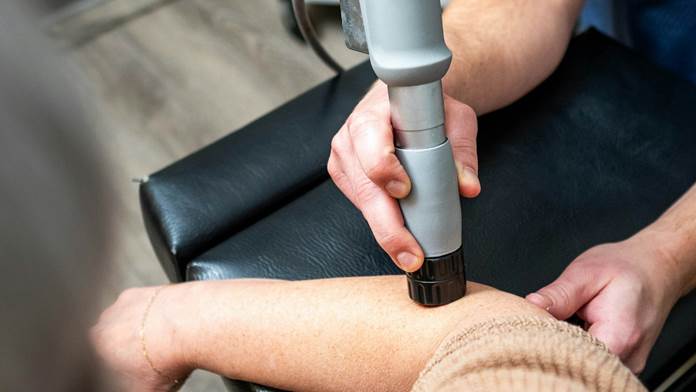
The assessment may cover posture, joint movement, strength, balance, or particular tests selected for the presentation. Some movements may replicate symptoms thus the patient should tell what they feel and can ask to stop at any time . You must consent throughout the appointment. A good exam is purposeful and explained. It should connect the tests into the working assessment rather than leaving the patient wondering why unrelated movements were performed.
Ask what the plan seeks to change.
Treatment may involve hands-on techniques, advice and exercises, but the key question is how those elements relate to the findings. The practitioner should give details of likely contributors, expected response and signs that would require re-assessment. The question of how progress is to be measured and how often appointments may be reviewed is not unreasonable. It is more useful to have a plan with a direction, rather than an endless series of visits.
Leave with next actions you are able to take
The best home advice is generally simple enough to do. It could be changing one irritating task, completing a short exercise program or spotting a pattern of symptoms. If you change too much at once, it’s hard to tell what worked. The first meeting doesn’t have to solve all the problems, but it should decrease uncertainty. The patient needs to know what to do next, what response is expected, and when to seek further advice.








Leave a comment