






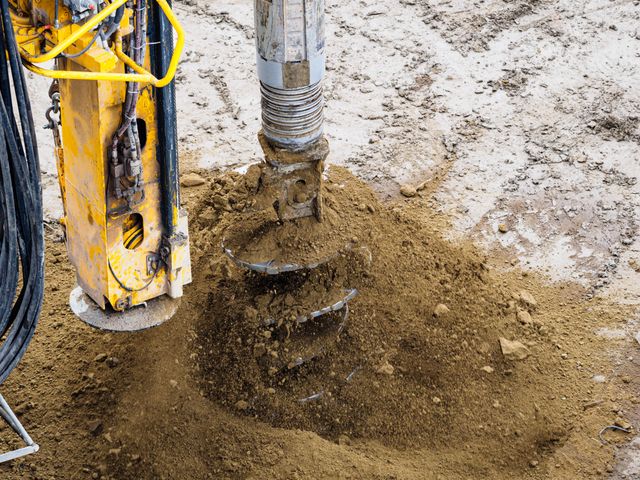
Melbourne concrete is harder to drill than most people expect. Here is what the process actually involves, from bit selection and site safety to structural risk. In general, one might envision core drilling as an easy process in which a rig drills into concrete with the help of a diamond bit, leaving a round hole behind. However, on a Melbourne construction site, Melbourne core drilling requires some prior experience, as there are many types of construction materials available, each with its own hardness and aggregate, which have to be identified by the operator prior to drilling into any material. In the case of Victorian construction materials, basalt and bluestone aggregate are the two hardest aggregate materials that blunt diamond bits faster compared to other materials in use all over the country.
Wet or Dry: A Decision With Real Consequences
While the choice of wet or dry drilling may seem a matter of personal choice at first glance, in reality, it is not. This decision affects further drilling processes significantly. Wet drilling implies using a constant water flow to keep the bit cool and to wash concrete slurry off the bore as the drilling goes on. Large-scale commercial projects typically employ this technique when they involve drilling through thick concrete slabs or larger diameters. The choice of dry drilling is appropriate for shallow drilling in the areas where water could damage electrical and plumbing services underneath the slab.
What Changes as Hole Diameter Grows?
Sub-100mm penetrations for conduits and cable routing can be accommodated by a relatively small vacuum-mount rig that attaches directly to the surface of the slab. As soon as the diameter exceeds this limit, the required torque is enough to make use of a stronger and bolted rig so that the drilling process would be safe from unwanted displacement. Depth adds an additional complication to every aspect of the process. Boring a hole deep into a post-tensioned slab does not mean a deeper hole drilled in a slab with fewer complications because locating the path of tendons is a requirement that the operator must perform in accordance with the structural drawing. Cutting a post-tension cable releases energy, comparable to the one that is released when mechanical failure happens. Serious injuries occurred in such cases in Australia, according to Safe Work Australia.
The Australian Bureau of Statistics (ABS) stated that total residential building work in Australia during the quarter of June 2025 amounted to $24.2 billion, a figure that demonstrates the amount of structure-related decisions made on a daily basis in Australia’s construction industry.
Where Does Core Drilling Appear Across Melbourne Projects?
Residential extension projects often require drainage and stormwater penetrations. The increasing infill rate in Melbourne’s inner and middle suburbs requires more and more buildings to be constructed in Melbourne. Commercial fit-out works need core drilling for fire services, mechanical plant, and communication cable penetrations through floor slabs and concrete walls. Bollards, which became popular in Victoria in order to control vehicle access in various commercial and public spaces, require the accurate drilling of a vertical core to the required depths.
The Slurry Problem Most Sites Do Not Plan For
Concrete slurry cannot be washed into stormwater drains; it is prohibited by the EPA requirements of Victoria state. Therefore, the wet waste removal system must be used continuously during the drilling process, which will keep the site clean and protect neighbouring works.
The Scan That Saves the Job
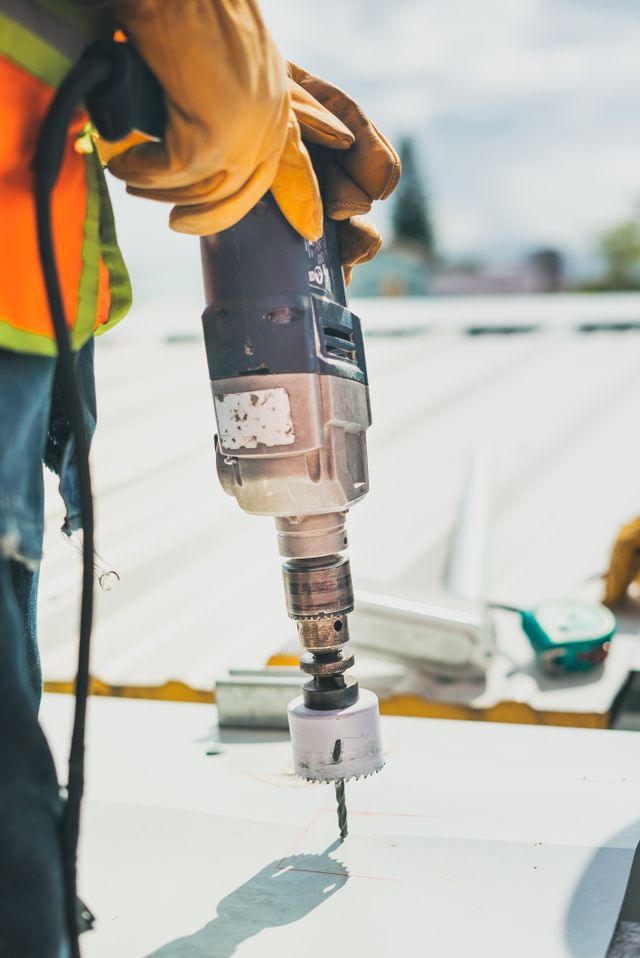
Ground-penetrating radar scanning is performed before each penetration into the structural slab. A diamond bit will not help to detect what is inside the concrete, and without a prior scan the operator will drill blindly through the concrete with the possibility of rebar clusters, post-tension cables, or conduit from previous fit-out works.






Leave a comment