






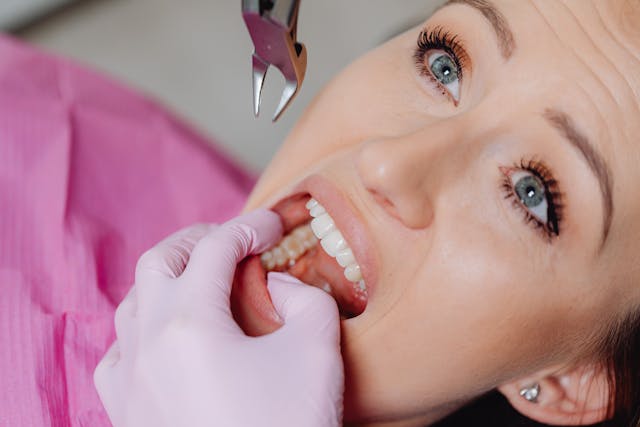
Fear of the dentist is one of those adult anxieties people often laugh off, usually while quietly delaying an appointment for another six months. It’s rarely about one single thing. For some people, it’s a bad childhood memory. For others, it’s the noise, the vulnerability, the cost, the possibility of pain, or the uncomfortable thought that someone is about to notice every coffee, wine, lolly, and “I’ll floss tomorrow” decision they’ve made since 2019.
The good news is that modern dental care is far less dramatic than most people’s imaginations suggest. Clinics like Clover Dental are part of a broader shift towards calmer, more patient-centred care, where discomfort, embarrassment, and anxiety are treated as normal things to discuss, not personal failings to hide.
Still, adult dental fear has layers. Some are perfectly rational. Some are understandable but outdated. Some are, with respect, absolute fiction written by the nervous brain at 1:12 am. Let’s rank them.
Fear of pain: Rational, but often overestimated
This is the classic. Nobody books a dental appointment because they’re hoping for “a bit of character-building discomfort”. Fear of pain is rational because dental issues can hurt, and older dental experiences weren’t always gentle.
That said, the fear often belongs to dentistry as it used to be, not dentistry as it is now. Local anaesthetic, improved techniques, better equipment, and clearer communication have changed the experience significantly. A good dentist won’t treat pain management as an afterthought. They’ll check in, explain what’s happening, and pause when needed.
The fear makes sense. The assumption that every appointment will hurt doesn’t.
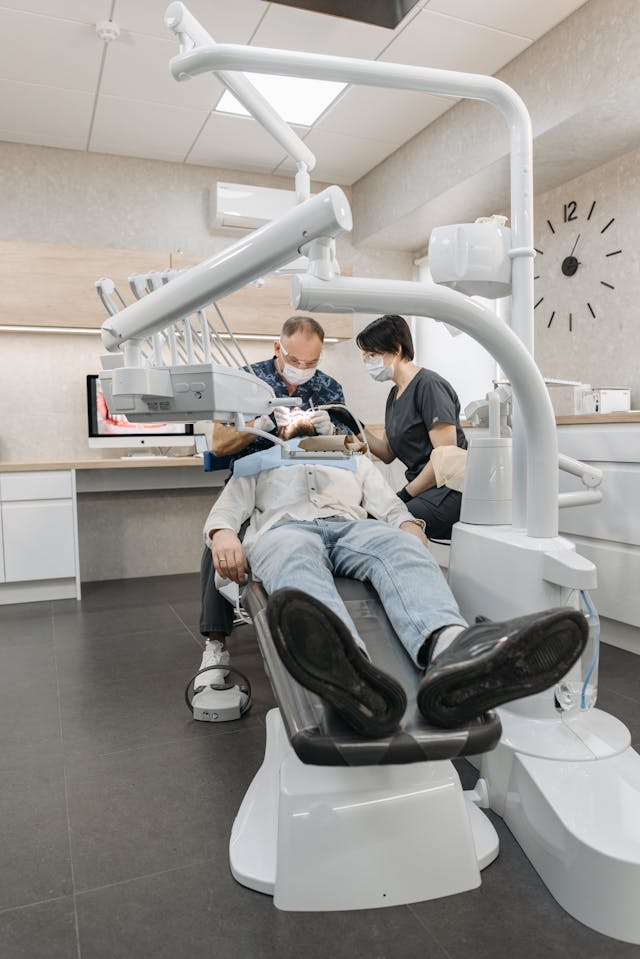
Fear of being judged: Rational, but usually misplaced
Adults can be surprisingly embarrassed about their teeth. They worry the dentist will recoil, lecture them, or mentally rank them somewhere between “forgot to floss” and “medieval goblin”.
In reality, dentists see everything. Your skipped check-ups, stained teeth, bleeding gums, old fillings, cracked molars, and mysterious back-tooth situation are not shocking plot twists. They’re normal clinical work.
Judgement also doesn’t help treatment. A professional dentist is focused on diagnosis, prevention, repair, and helping you maintain your oral health. They’re not there to produce a courtroom drama about your brushing technique.
Fear of the cost: Highly rational
This one deserves respect. Dental treatment can be expensive, especially when a minor problem becomes a major one. Adults aren’t always avoiding the dentist because they’re scared of the chair; sometimes they’re scared of the bill.
The awkward truth is that delaying care often makes the financial side worse. A small cavity can become a root canal. Gum inflammation can become periodontal treatment. A chipped tooth can become a bigger restoration. Preventive appointments may feel annoying, but they’re usually less costly than emergency visits.
The fear is rational. The best response is transparency: ask for an estimate, discuss priorities, and find out what needs attention now versus what can be monitored.
Fear of bad news: Understandable, but not useful
Many adults avoid the dentist because they don’t want confirmation that something’s wrong. This is the dental version of ignoring a strange noise in the car and hoping it becomes a personality trait.
The problem is that teeth rarely fix themselves. Pain might come and go, but decay, infection, gum disease, and structural damage tend to progress quietly until they’re much harder to treat.
Bad news also becomes less frightening once it has a plan attached. “You need treatment” is stressful. “Here’s what’s happening, here are your options, and here’s the first step” is manageable.
Fear of the drill sound: Valid, but mostly sensory
The dental drill has done terrible public relations work for the entire profession. Even when it doesn’t hurt, the sound can trigger tension. It’s sharp, mechanical, and far too close to your actual skull.
This fear is less about pain and more about sensory overload. Many patients manage it with headphones, music, breathing techniques, hand signals, or asking the dentist to explain when the noise will start and stop. Small adjustments can make a big difference.
The sound is unpleasant. It’s not a prophecy.
Fear of not being in control: Very real
Lying back with your mouth open while someone works with instruments you can’t properly see is not exactly a power pose. For many adults, dental anxiety comes from feeling trapped or unable to communicate.
This is where patient-centred care matters. Agreeing on a stop signal, asking for step-by-step explanations, taking breaks, and knowing you can pause treatment can restore a sense of control. You’re not a passive object in the chair. You’re a patient with agency.
A good dental appointment is a collaboration, not a hostage situation with fluoride.
Fear that the dentist will “find everything”: Partially invented
This one usually sounds like, “If I go in, they’ll find ten things wrong.” Sometimes, yes, there may be several issues, especially after a long gap. But the dentist isn’t creating problems by identifying them. They’re making the invisible visible. Avoidance can make dental problems feel infinite because they remain undefined. An examination turns vague dread into a list. Lists can be prioritised. Fear can’t.
Fear that one appointment will lead to endless treatment: Exaggerated
Some people imagine that the second they sit down, they’ll be locked into a multi-year dental saga with a payment plan, three specialists, and a commemorative plaque. In reality, you can ask questions. You can seek a second opinion. You can stage treatment. You can say, “What’s urgent?” and “What happens if I wait?” Dental care doesn’t have to happen all at once unless there’s an immediate clinical reason. The chair is not a trapdoor.
Fear that your teeth are “too far gone”: Usually invented
This is one of the saddest adult dental fears because it keeps people away when they need support most. People assume their teeth are beyond help, so they avoid care, which can make the situation worse.
Dentistry has options. Fillings, crowns, periodontal care, implants, dentures, whitening, hygiene therapy, preventive plans, and pain relief all exist because people’s mouths change, break, age, stain, and need repair. You don’t need perfect teeth to deserve treatment.
You just need to start somewhere.
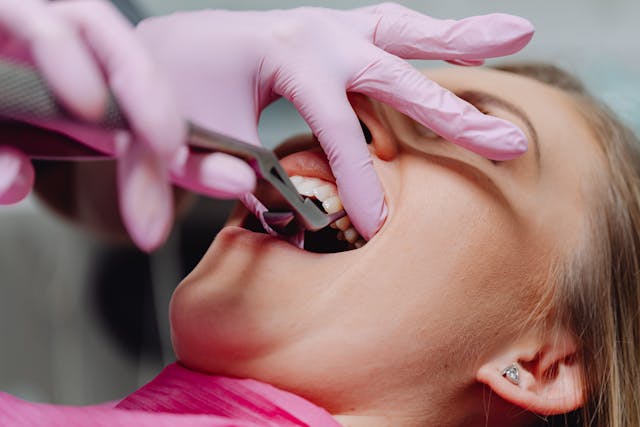
Fear that the dentist secretly hates you: Completely invented
No. They don’t hate you because you floss inconsistently. They don’t hold a grudge because you missed your last check-up. They aren’t whispering your plaque score into a secret dental group chat. They’re doing their job. Your mouth is not a moral report card.
The real ranking: Fear is normal, avoidance is the problem
Adult dental fear isn’t silly. It’s often a mix of memory, money, vulnerability, sensory discomfort, and uncertainty. But fear becomes expensive when it turns into avoidance.
The most effective first step is rarely dramatic. Book a consultation. Tell the clinic you’re anxious. Ask what will happen before it happens. Request breaks. Start with an exam, not a commitment to every possible treatment under the sun.
The adult fear of the dentist may be common, but it doesn’t have to run the calendar. Most dental anxiety shrinks once it’s met with information, control, and a dentist who treats nervous patients like normal people, because they are.










Leave a comment