






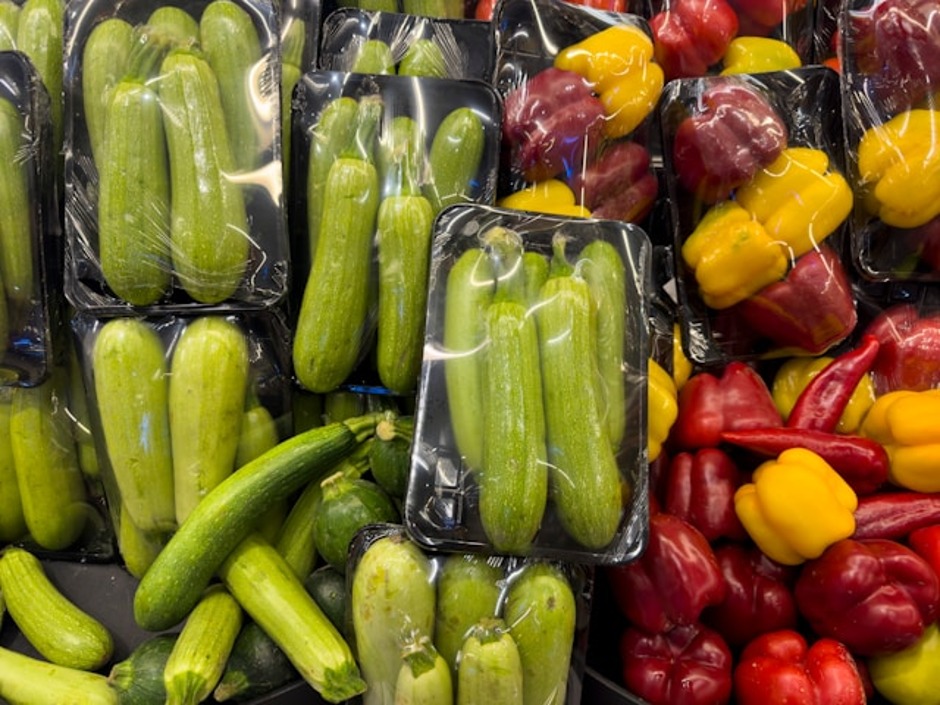
The choice of a shrink-wrapping machine is now a much more important one than it has ever been, as Australian businesses face mounting pressure to keep up with the need to make their operations more efficient, to reduce the absolute amount of packaging waste they generate, and to hit their sustainability targets. Australia used up a whopping 4 million tonnes of plastic products and packaging in the 20232024 financial year, but only 14 per cent of it got recycled or funnelled into energy recovery programs. To boot, the packaging automation market in Australia churned out more than a billion and a half Aussie dollars in revenue during 2024 and is now looking to grow at a compound rate of 6.6% all the way out to 2033. This growth is a reflection of a broader shift towards automated packaging systems that are capable of churning out consistent results while keeping a tight lid on operational costs. In this sort of market, buying equipment from companies like Minipack International should be seen as a strategic investment. Not just a quick fix.
Understanding Production Volume Requirements
Production volume is often the thing that really matters when it comes to choosing a shrink wrapping machine. A lot of businesses make the mistake of buying equipment that’s just about right for the current demand, rather than one that’s geared up to handle future growth. Automatic machines that do a bit of everything can process anywhere from three hundred to nine hundred packages per hour but it all depends on the size of the products and how the conveyor system is set up. For example, a manufacturer churning out 20,000 units a week might only need a semiautomatic solution but if their demand is growing 10 to 15% a year, they might save money in the long run by splashing out on a fully automatic line. It’s not just about the upfront cost, either. Labour expenses also come into the picture.
Evaluating Film Compatibility and Material Consumption
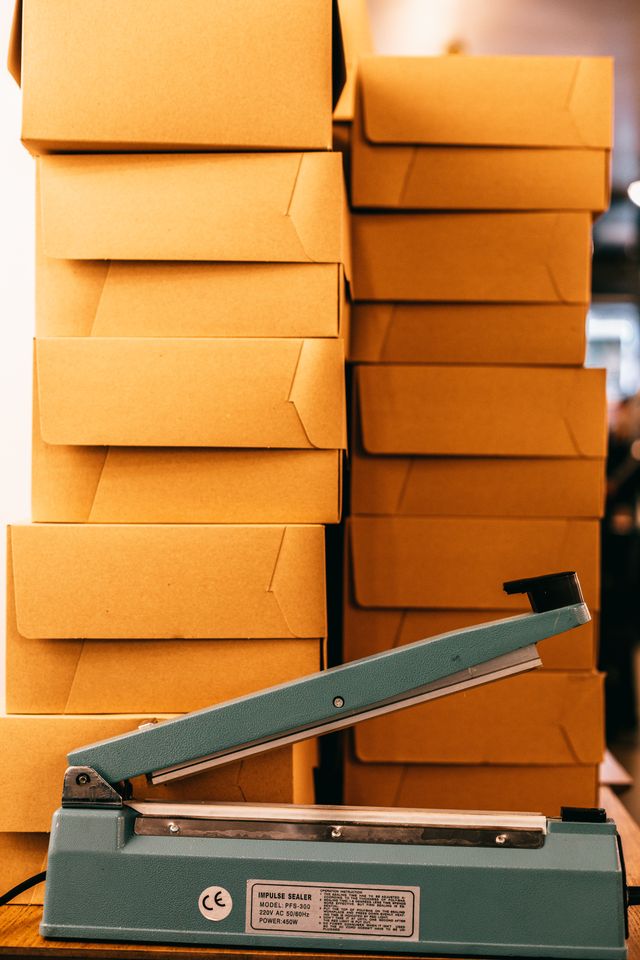
Shrink film is a recurring expense that can add up to a pretty penny over time and it’s a major factor when it comes to working out the total cost of owning a machine. Different machines support different types of film, including polyolefin, polyethylene and PVC. Polyolefin is becoming the preferred choice because it’s tough, clear, and recyclable.
Energy Efficiency and Operating Costs
Energy costs are a major consideration now that electricity prices are starting to eat into manufacturing expenses. Shrink tunnels are often the biggest power consumers in the packaging process. But modern machines are designed to be more efficient, with insulated chambers, variable-speed fans, and smart temperature controls that can cut power consumption down to size without a hit to shrink quality. The good news is that even small efficiency gains can add up to real savings.
Maintenance, Reliability and the Hidden Cost of Downtime
When buying a new kit, machine reliability is often the last thing on people’s minds. But the thing is, low-cost gear can be a false economy. Those downtime bills can really start to add up. Unplanned stoppages cause all sorts of problems. They mess up production schedules, make a mess of your workforce, get in the way of inventory management and can even jeopardise your customer delivery promises. When making a purchase you need to do a bit more than just look at the machine itself. You need to take into account the mean time between failures, the availability of spare parts, and whether you’ve got someone nearby who can sort out any technical issues that come up. It’s not just a case of slapping down cash and hoping for the best.
Choosing the Right Automation Level for Your Business
Not every business needs the works when it comes to automation. Often the smartest investment is the machine that fits where you’re at now, but also has some room for growth. If you end up overdoing it on the high-tech front you could end up shelling out too much cash for something that’s just not needed. On the flip side if you’re too stingy and don’t leave enough room for growth, you can end up constraining your capacity in a couple of years. With packaging volumes still on the rise here in Australia. In fact Australian packaging recovery data shows they’re growing at around 4% per annum between 201718 and 202122. It’s more important than ever to get scalable systems in place that will let you grow with your business. A modular design that leaves room for upgrades and future expansion is a good way to hedge your bets. Think along the lines of adding more conveyors, plugging in with an existing production line and so on.
Sustainability, Compliance and Playing it Smart for the Future
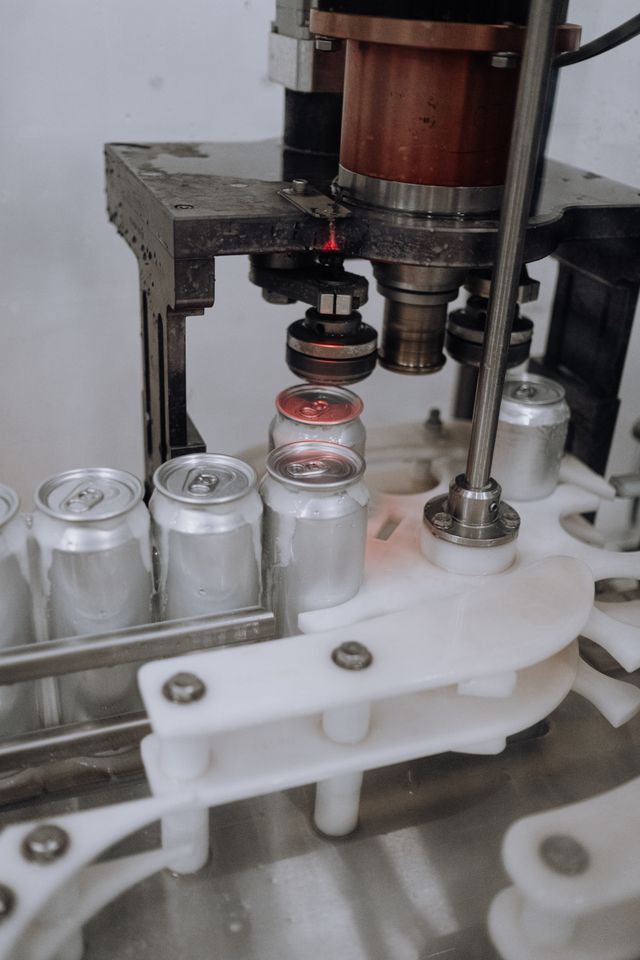
Sustainability is no longer a nice-to-have when it comes to packaging. It’s a must-have. The numbers are pretty clear: according to industry data, 86% of packaging in Australia is now reusable, recyclable or compostable and the industry and government are pushing hard for even higher recovery rates and less single-use packaging. So when you’re looking at shrink wrapping equipment, make sure it’s compatible with recyclable films and emerging packaging materials. Don’t forget futureproofing. Equipment that can handle changing packaging formats can save you from having to do costly upgrades later down the track. As the regulatory landscape evolves, being able to adapt your packaging lines quickly will give you a real competitive edge. It’s all about being able to adapt without having to rip out and replace your existing gear.










Leave a comment