






The (often) quite lovely terraces and Victorian-era streetscapes of Brunswick are rightly the suburb’s crowning glories. But what lies beneath them? That’s right: the old sewer and drainage system some of which is over a century old. Pipes that once were quite happy carrying the meagre loads of a bygone era now have to deal with the increased demands of a far denser and more intensively occupied suburb. Guess what? Despite all the changes at the surface, the main infrastructure hasn’t changed much.
Brunswick’s Underground Has an Age Problem
Clay sewer pipes gradually break down over the years but the damage isn’t always immediately obvious from above. Anywhere that a pipe is joined together becomes a potential entry point for the fine threads that tree roots stretch out looking for water. Plane trees on Sydney Road and established elms in the suburb are masters at finding even the tiniest of cracks to sneak in through, sending their roots snaking inwards, where they end up blocking up solid waste until the pipe gets completely blocked.
The rapid growth of Brunswick over the past couple of decades has put far more strain on the sewer network which was basically never designed to cope with apartment blocks or supertightly subdivided blocks with loads of dwellings per lot. The pipes haven’t been upgraded as quickly as the density has gone up. So now high-volume drainage from three-story apartment conversions is flowing through clay mains that were originally sized to deal with single-family terraces
The Usual Suspects in a Brunswick Blockage
Roots getting into the pipe is the main cause of recurring blocked drains Brunswick callouts in Brunswick but it’s not the only one. Kitchen drains in the suburb’s dense mix of residential and commercial areas are flooded with grease and when cooking oil cools it solidifies in the pipe & that’s when all sorts of gunk starts to get stuck in there, gradually narrowing the pipe. In commercial kitchens on Sydney Road there’s supposed to be an interceptor to catch that grease, but in residential properties there’s not really anything.
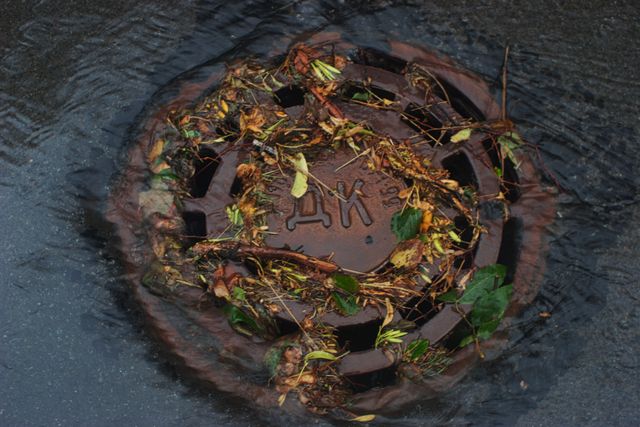
Bathroom drains collect everything hair, soap scum, & all the mineral deposits that hard water leaves on your pipes. In Brunswick’s older terrace homes where the bathroom is tiny & the plumbing hasn’t always been upgraded during renovations, these buildups develop in pipes that are a real pain to clear. As for the stormwater drains they’re a seasonal pain every autumn plane tree leaves flood into the outdoor drains & when it rains, wet weather sends a whole lot of sediment & debris into the stormwater pits & lines faster than the system can clear it out.
The Difference Between Clearing a Drain and Fixing One
High-pressure water jetting can deal a serious blow to grease buildups, debris, and root growth. What it can’t do is fix the underlying problem, whether that’s a cracked pipe or a rusty joint that’s letting roots in. When you end up calling out the jetting service six months later because the same drain’s blocked again, all that cash spent is basically down the drain, without having moved any closer to the real solution.
CCTV drain inspection is what makes the difference between just clearing the blockage and actually fixing the problem. Looking inside the pipe with a camera lets you know exactly where the trouble started, what caused it, and whether the pipe’s been damaged. For people in Brunswick who’d have to rip up their period flooring or dig up their driveway to fix the issue, pipe relining is a lifesaver: it lets you fix the pipe from the inside without having to mess around with excavation or digging up your garden.
There are homeowners who go through this cycle of repeated clearing callouts without ever really getting to the bottom of the problem. And in the end, they end up spending a whole lot more than they would have paid for a single relining job if only they’d taken the time to figure out the root cause when it was first identified.
Signs Brunswick Homeowners Often Miss Until It’s Too Late
The sooner you tackle a blockage, the easier and cheaper the fix. Before it gets to the point of backing up, there are a few signs you’ll start to notice. Gurgling sounds from a toilet you’re trying to flush upstairs are a pretty clear indicator that there’s some kind of restriction in the sewer line. Bathroom fixtures that only work with a lot of plunging also suggest the problem’s a bit deeper in the system than just the surface trap. That stink of sewage rising up from basement areas or the ground-floor drains in your terrace home – that’s a sign of a cracked sewer main hidden beneath the floorboards. And if you notice water pooling near the property boundary without any obvious reason, chances are there’s a failed underground junction or a cracked pipe leaking water all over the surrounding soil. None of these symptoms magically disappear on their own, either. They’re a clear sign that you need someone with a proper eye for the situation to come take a look – rather than just patching things up with a few bits of duct tape.








Leave a comment