






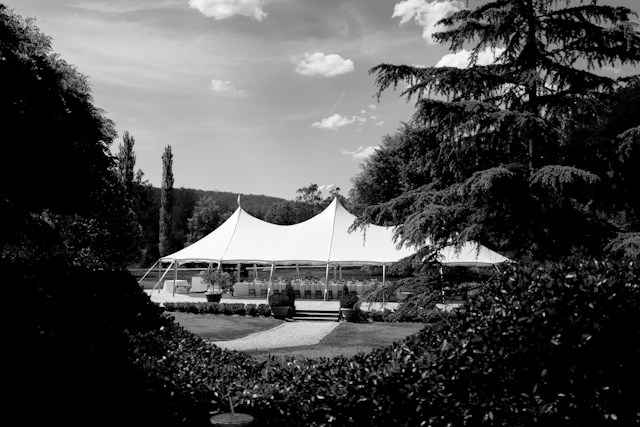
What is the secret of making a paddock, a lawn, or a quiet beach reserve feel like the best room in town for one night? Well, there are thousands of Australians who try to find it out every time they travel. Tourism Research Australia’s 2025 benchmark indicates that visitor spending increased by 6.5% to reach $192.4 billion. It is important to note that domestic day trips became significantly stronger. That explains why so many parties are organised in parks, farms, and backyards instead of ballrooms.
Why Canvas Continues to Defeat Fixed Venues?
The rules of function rooms are already set. The menus are determined, the finishing time is specified, and the walls are always identical in wedding photos. However, marquees hire allows the host to make all decisions, to choose a caterer, a musical group, and even the time when the last song should be played.
The budget issue may sound trivial; however, in many cases, the cost of a marquee is not necessarily lower than the cost of a function room. Instead, the budget just goes to what the host needs: food, lighting and other arrangements.
Reasons for choosing a marquee:
- Backyard wedding or engagement party on family premises
- Birthday party for an elderly relative who likes to stay at home
- Regional festivals, markets, or farm open days
- Business launch on a vineyard or a rural property
Reading the Ground Before You Decide on a Size
Guest numbers are the backbone of your whole plan, yet the seating style can easily double or halve the space you need; it’s a game changer. Imagine trying to cram eighty people who’re standing around having a drink into a space that was perfect for the same number sitting down; it just doesn’t work. And then there are the things that take up space like dance floors, bars and buffet tables; they all make their own claims on the floor too.
And then there’s the ground that deserves just as much attention as the guest list. A sloping lawn can tip over tables, soft soil can let pegs slip out and buried irrigation pipes can split under the weight of a stake. And nobody wants rainwater running under the bridal table after a heavy downpour.
Good planning also means thinking about the areas outside the main event:
- A safe, well-lit path from the parking to the entrance; you don’t want guests wandering around in the dark.
- A separate area for the caterers to work without having to cross the dance floor.
- Toilets that guests can get to easily after dark.
- And clear access for emergency vehicles so they can get in there quickly if they need to.
Australian Weather Has the Final Say
There’s nothing more unpredictable than the weather in the spring; a beautiful afternoon can turn into a full-blown storm in a matter of minutes, and the wind is usually the biggest threat. Coastal sites and open inland areas particularly get hit by strong gusts that can test any structure. A quick dismantling of the side walls can save a reception if a cool change blows in a bit too early.
Now, if you’re using a hard surface like concrete or pavers, you’re going to have a problem because pegs just don’t work. What you need to do is use weights and ballast to hold the frame down instead. Asking a supplier what the wind rating is on each marquee is a sensible question; it’s something to do, not something to be embarrassed about.
When the sun is beating down, it’s a whole different story. Clear roofs look great at night, but they can trap the heat like a glasshouse by mid-afternoon. What you need is something like an opaque roof, cross-ventilation, and a few fans to keep your January crowd comfortable. And if you’re having a winter wedding, you’ll need heaters and some good flooring to warm things up.
Permits and Paperwork That Catch You Off Guard
Just because you’re not building a permanent structure doesn’t mean you’re off the hook when it comes to the rules; temporary structures still need to comply with building and planning laws in most states and councils. If you’re planning a big marquee, a public event or a crowded gathering, you might need to get council approval or get an engineer to sign off on it. For example, in Victoria, they have a special permit for events that are classed as a place of public entertainment.
Now, rules can vary between councils, so it’s crucial you check in early to avoid any stress later on. There are some useful questions you can ask your supplier:
- Is the marquee up to date with a current engineering certificate?
- What’s the wind speed that it’s rated to handle?
- Who is responsible for dealing with council notification for the bigger setups?
- And what happens if the weather is so bad that you need to call it a day and pack up early?
Insurance, fire extinguishers and marked exits often get added to the same list for public events; it’s all about being safe and responsible.
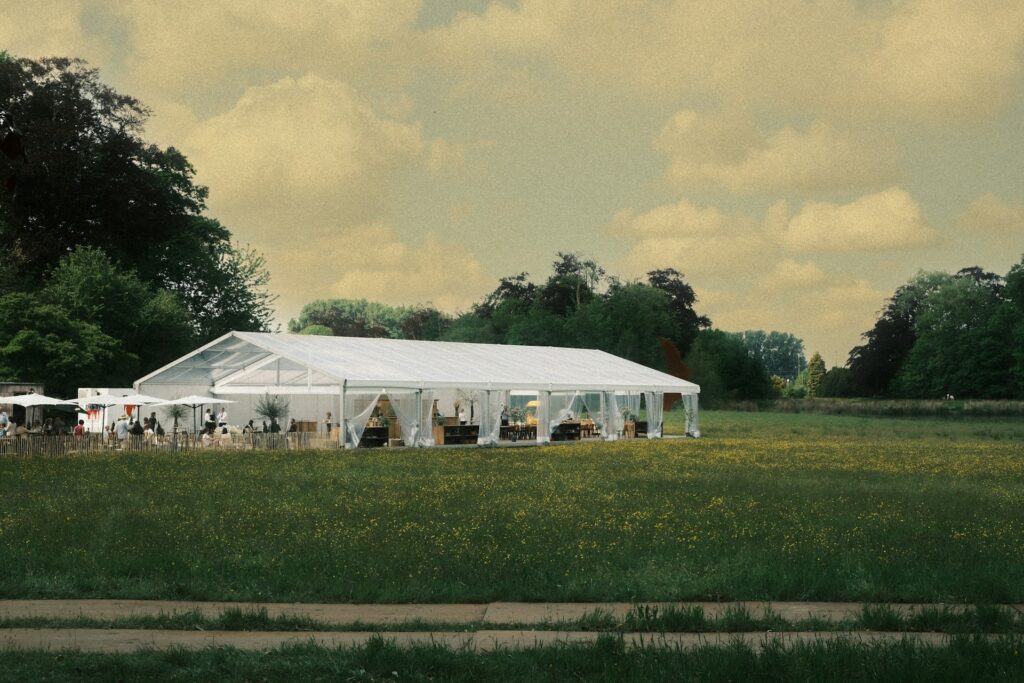
Styling That Feels Personal Rather Than Cookie Cutter
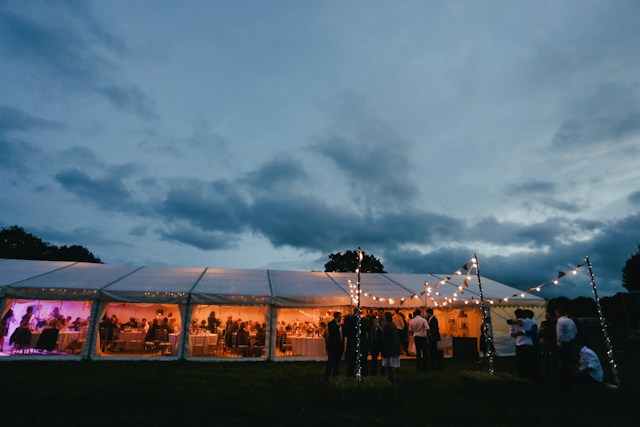
Canvas is pretty much a blank slate, but the best events don’t leave it that way. Festoon lights can add a lovely soft glow to the roofline once the sun has gone down. And using timber flooring can add a bit of warmth and prevent heels from sinking into the wet grass.
The best events are the ones that use local touches to give them a sense of place. So, if you’re having your wedding in the country, it makes sense to use some banksias, gum leaves and wattle to give it a bit of texture. If you’re at the coast, maybe you can use some linen, driftwood and soft sand tones to set the scene.
It’s actually the small details that can make the biggest difference, not the big spending.


Leave a comment