





When it comes to excavation work, trenching machines are the unsung heroes. These powerful tools make digging trenches a breeze, whether for utilities, drainage systems, or landscaping projects. But before you dive into hiring one for your next job, it’s essential to understand the costs involved. Many factors come into play when determining how much you’ll need to spend on renting a trenching machine. From the type of equipment required to the specific conditions at your worksite, knowing what impacts pricing can help you plan effectively and avoid surprises down the road. Let’s dig deeper and explore what influences these costs!
Factors Affecting the Cost of Hiring a Trenching Machine
When considering the cost of trenching machine prices, several factors come into play. Each element contributes to the final price you’ll encounter.
First, the size and type of machine significantly influence costs. Larger machines designed for extensive projects tend to command higher rental fees compared to smaller models suitable for residential tasks.
Next, the depth and width of the trench required can alter pricing as well. Deeper or wider trenches usually necessitate more specialized equipment and additional labor hours, impacting your budget.
Location also plays a crucial role in determining costs. If your worksite is remote or challenging to access, transportation expenses may increase substantially. This aspect often gets overlooked but can add unexpected charges.
Seasonal demand fluctuates prices too. During peak construction periods, rental rates might surge due to high demand for machinery across various projects.
Size and Type of Trenching Machine
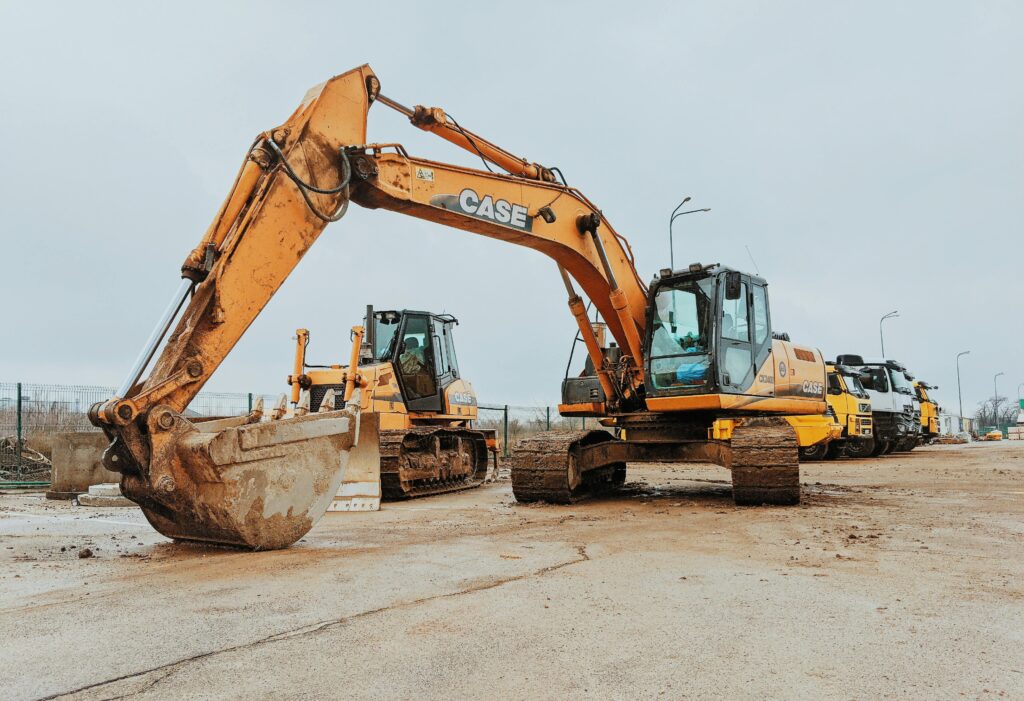
When considering the cost of hiring a trenching machine, size and type play crucial roles. Larger machines typically come with higher rental fees, reflecting their increased capabilities.
Different projects require specific types of trenchers. For example, walk-behind models are ideal for smaller jobs like landscaping or irrigation installation. These compact options are budget-friendly but may not suffice for extensive work.
On the other hand, heavy-duty tracked trenchers cater to larger construction sites and utility installations. Their robust performance justifies a steeper price tag due to their power and efficiency.
Choosing the right size and type affects both project timelines and overall expenses. It’s essential to assess your needs carefully before making a decision on which trencher will serve you best in terms of functionality and budget alignment.
Depth and Width of Trench Needed
The depth and width of the trench directly influence the hiring cost of a trenching machine. Each project has specific requirements, and these dimensions can vary significantly.
Shallow trenches require less power and smaller equipment. This often translates to lower rental costs. However, deeper trenches necessitate more robust machinery capable of handling increased pressure and soil disturbance.
Similarly, width matters too. A narrow trench might suffice for simple installations like pipes or cables. But wider trenches need larger machines, which typically come at a higher price point.
Understanding your project’s needs is crucial. Accurate measurements help you determine the right equipment without overspending on unnecessary capabilities. Always consult with professionals to get precise specifications tailored to your project’s demands before making any decisions regarding machinery rentals.
Location and Accessibility of the Worksite
The location and accessibility of the worksite play a crucial role in determining the cost of hiring a trenching machine. If your site is easily accessible, it often leads to lower transportation fees and quicker setup times. This can save you money.
On the other hand, if your project is located in a remote area or has poor access due to terrain or traffic conditions, additional costs may arise. You might face higher transport charges for getting the machinery to your site, not to mention potential delays that could extend rental periods.
Consideration also needs to be given to local regulations or permits required for placing heavy machinery on public roads or restricted areas. These factors add layers of complexity and expense that can affect overall project budgeting significantly.
The type of ground you’ll be working with—whether it’s rocky soil, clay, or sandy land—can also impact how efficiently equipment operates at your chosen location. It’s vital to assess all these components carefully when planning your trenching project so that you are well-prepared financially and logistically.







Leave a comment