






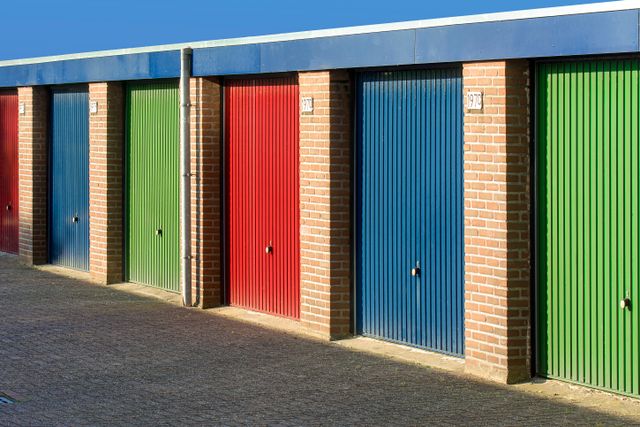
Australia’s small business sector just keeps on growing despite all the economic worries, higher and higher commercial rents, and rising operating costs. As the Australian Bureau of Statistics will tell you, small businesses count for a whopping 97.2% of all Australian businesses with over 2.5 million of them doing business all over the country. As businesses compete for what feels like less and less suitable, and increasingly expensive commercial space, it’s no longer a simple logistical problem but a major operational headache. Businesses trying to find the best storage facility Port Pirie are usually on the hunt for ways to keep their overheads low without sacrificing any operational flexibility. In fact, this shift is just one sign of a bigger trend in Australia’s fast expanding self-storage industry. A country-wide demand for space that’s now stretching over millions of square metres.
Commercial Property Costs Are Skyrocketing That’s Changing the Way Businesses Decide
For Australian small businesses, commercial real estate is the biggest expense bar none. Retailers, manufacturers and service businesses all tend to pay a huge chunk of their operating budget on premises costs. When a business needs more room because they’re taking on extra stock or picking up some more kit, they often find themselves locked into a bigger (and more expensive) space with longer contracts and more utility bills to pay.
Self-storage is a different story altogether. Instead of having to commit to a bigger space just in case, businesses can rent what they need and scale back up or down as and when. According to the Self-Storage Association of Australasia, industry research suggests that the average self-storage facility is over 85% full, which is a pretty clear sign that demand is high from both households and small businesses alike. Consequently, the ability to only pay for space when you need it is a lot more flexible than the traditional commercial leasing deal.

Having Enough Space to Store Your Inventory Means Better Cash Flow
Inventory management is key to keeping your business afloat and in profit. Without enough storage space, you can get yourself into a situation where you have to hold back on your purchasing, which means you don’t get the supplier discounts you need. Alternatively, if you do end up overstocked in a small space you can end up with all sorts of problems from safety issues through to wasted office space.
Self-storage gives you a tidy space to stash all your extra stock, promotional materials and seasonal inventory. Particularly, this is especially useful for eCommerce businesses whose sales can go through the roof (or hit rock bottom) at any time of the year.
Less Clutter Means More Productive Workplaces
As any workplace manager will tell you, clutter is one major productivity killer. Too much stuff lying around means your staff have less space to get on with the things that make the business money. Besides that, when it comes down to it, you don’t need all that clutter in the first place.
Self-Storage Makes It Easy to Manage Seasonal Fluctuations
Australia’s got a lot of different industries that go through their ups and downs over the course of the year. Retailers stock up before the holidays, tourism operators have more equipment to store when the travel season is on, and event businesses often have to work on a tight logistical schedule between jobs.
The last thing you want to be doing is keeping a permanent office space for occasional stock surges. Self-storage lets you get on with the important things, by letting you rent out the stuff you need when you need it, and letting it out when you don’t.
The Australasian self-storage scene is now up to over 3,300 facilities and a huge 7.5 million square metres of storage. That’s a whole lot of people looking to make the most of their space and a clear sign that the demand for flexible space solutions is growing alongside the changing needs of small businesses.
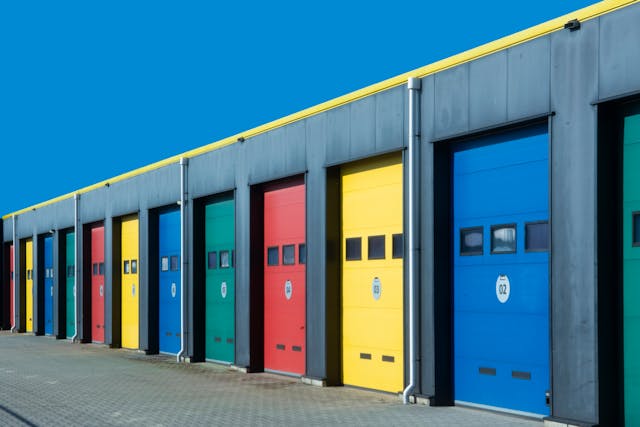
Document Storage Cutting Compliance Risks
The shift to digital has certainly cut down on paper usage, but plenty of businesses are still stuck with a whole heap of legal obligations and that means holding onto financial records, contracts, tax returns, and employee info for years down the line. The trouble is, these files take up loads of space in the office only to serve little purpose in day-to-day activities.
Purpose-built storage facilities offer the perfect solution for keeping records safe while still meeting those pesky compliance requirements. Furthermore, the right storage facilities have climate-controlled environments that can even help protect sensitive stuff from falling apart due to humidity, dust, or wild temperature swings.
For accounting firms, law firms and accounting businesses in particular, using an external document storage service can free up loads of office space while making sure they can still get to any of those critical records when they need to. As a result, this takes the pressure off, allowing companies to turn their offices into productive spaces rather than cluttered filing rooms all without forgetting about their regulatory obligations.
Flexible Storage Lets Businesses Scale Without Breaking the Bank
Growth can be a real challenge for businesses even the opportunities that come with it. As companies expand, they often need more space before they can justify a bigger office or a long-term lease. However, a self-storage facility can be a great stopgap solution. One that can help support growth without breaking the bank.
We’re talking mainstream adoption here, with around 9.2% of adults in Australasia already using self-storage facilities. Meanwhile, for businesses, that’s all about gaining that flexibility and controlling costs in this changing world.
Rather than committing to those expensive long-term leases, you can use storage facilities to expand as you go keeping your capital intact and giving you the freedom to respond to any changes in the market. Ultimately, in Australia, where businesses come and go all the time, being agile and adaptable is no longer a luxury it’s a competitive edge.










Leave a comment