







Muscle strains are an all-too-common annoyance, whether you’re a weekend warrior or just trying to keep up with daily life. One moment you’re stretching before a workout, and the next, you feel that sharp tug in your leg or back. It’s frustrating when something as simple as bending down can lead to discomfort and limited mobility.
Understanding muscle strains is key to preventing them and keeping your body functioning at its best. From athletes pushing their limits to office workers who sit for long hours, anyone can be susceptible. So what causes these pesky injuries? And more importantly, how can we manage and recover from them effectively?
Let’s dive into the world of muscle strains—exploring their types, common causes, prevention techniques, and recovery methods so you can get back on track without missing a beat.
Understanding the Different Types of Muscle Strains
muscle strain treatments and therapy come in various types, each defined by the severity of the injury.
A grade one strain is mild. It involves overstretching or slight tearing of muscle fibers. Typically, this causes minimal pain and discomfort.
Grade two strains are moderate injuries. They entail more significant damage to the muscle, often leading to swelling and bruising. This type may require a longer recovery time.
Then there’s the grade three strain, which is severe. With this injury, the muscle tears completely or ruptures entirely. Intense pain and loss of strength are common symptoms here.
Understanding these distinctions can help you recognize your condition better and seek appropriate care promptly when needed. Each type has its own implications for treatment and rehabilitation strategies that vary based on severity.
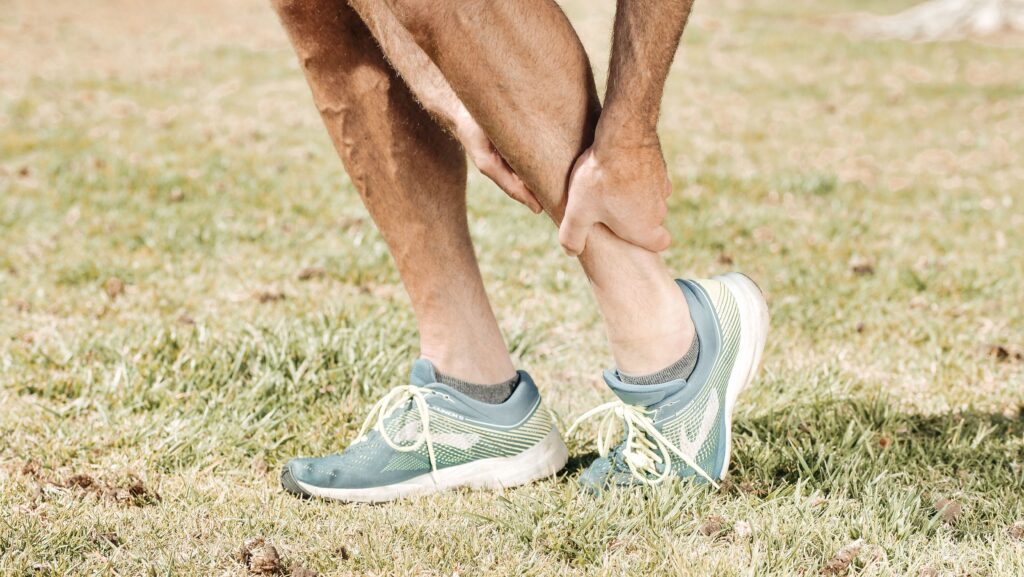
Common Causes of Muscle Strains
Muscle strains often strike when we least expect them. They can occur during everyday activities, not just intense workouts. A simple twist or lift can lead to unexpected discomfort.
One common cause is inadequate warm-up before physical activity. Muscles need time to loosen and prepare for exertion. Skipping this step increases the risk of injury.
Sudden movements are another culprit. Quick, awkward motions during sports or exercise can strain muscles beyond their limits. It’s essential to maintain proper form and technique to avoid these mishaps.
Fatigue plays a significant role too. Tired muscles lack strength and flexibility, making them more susceptible to strains. Resting appropriately helps keep your body in peak condition.
Overuse is a frequent issue among athletes and weekend warriors alike. Repetitive actions without sufficient recovery time can wear down muscle fibers, leading to painful strains that sideline you from your favorite activities for longer than anticipated.
Prevention Techniques for Muscle Strains
Preventing muscle strains is vital for anyone engaging in physical activity. A proper warm-up routine can make a significant difference. Spend at least 10 minutes doing dynamic stretches to prepare your muscles for action.
Strength training plays a crucial role as well. Building strength helps support the muscles and reduces strain during high-intensity activities. Focus on exercises that target all major muscle groups.
Listening to your body cannot be overstated. If you feel pain or discomfort, take it seriously and rest accordingly. Pushing through pain often leads to injuries.
Additionally, practicing good technique while exercising or playing sports is essential. Whether lifting weights or running, using correct form minimizes the risk of straining muscles.
Staying hydrated also contributes to overall muscle health. Dehydration can lead to cramping and fatigue, which increase injury risks during workouts or games. Make water your workout companion!
Recovery and Rehabilitation Methods for Muscle Strains
Recovering from a muscle strain is crucial for getting back to your normal activities. The path to recovery typically involves several key methods aimed at reducing pain and promoting healing.
First, rest is vital. Avoid any activity that aggravates the injury. Giving your muscles time to heal can prevent further damage.
Ice therapy can be beneficial in the initial stages of a strain. Applying ice packs for 15-20 minutes every few hours helps reduce swelling and numbs soreness. Be sure to wrap ice in a cloth; direct contact with skin could cause frostbite.
Compression also plays an important role in managing inflammation. Using elastic bandages or compression wraps provides support while minimizing swelling.
Elevation should not be overlooked either. Keeping the injured area raised above heart level helps decrease blood flow, which reduces swelling and discomfort.
Once you begin feeling better, gentle stretching exercises are essential for regaining flexibility and strength. It’s wise to consult with a physical therapist who can guide you through tailored rehabilitation strategies suited to your specific injury.
Gradually reintroducing movement will help restore functionality without risking reinjury. Always listen to your body during this process—if something doesn’t feel right, give yourself more time before pushing forward.
Remember that everyone heals differently; patience is key as you work towards full recovery from a muscle strain








Leave a comment