






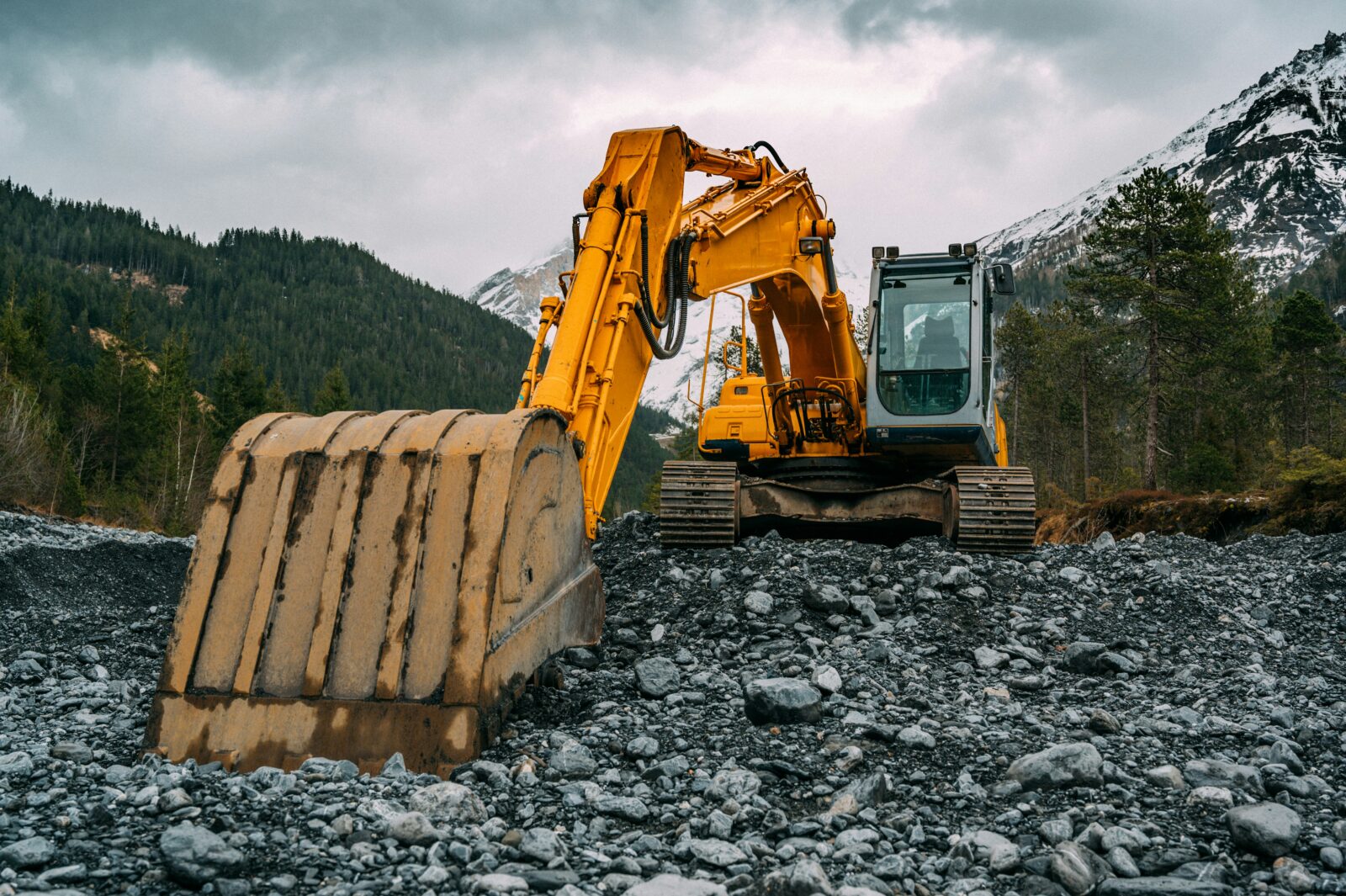
The first step in estimating machinery hire expenses for groundwork is identifying the equipment needed to complete each stage of the project. Different activities, such as site clearance, trenching, excavation, soil removal, levelling, and compaction, require different types of machinery. Selecting suitable equipment helps contractors avoid unnecessary hire costs and ensures that work can be completed within the planned schedule. Common options include excavators, mini excavators, backhoe loaders, dump trucks, wheel loaders, and compaction equipment.
When preparing an estimate, consider the size of the site, soil conditions, excavation depth, access restrictions, and the total volume of material that needs to be moved. For example, a small residential project may only require a mini excavator for a limited period, while a larger construction site may need several machines working together. It is also important to consider whether specialist attachments, such as trenching buckets or hydraulic breakers, will be required. Some hire companies include standard attachments in their rates, while others charge extra. Creating a detailed equipment list before requesting quotations allows contractors to compare suitable options and avoid paying for machinery that does not contribute directly to the work.
Compare Hourly, Daily, Weekly, and Monthly Hire Rates
Machinery hire companies generally offer different pricing structures depending on the equipment type, hire duration, and terms of the agreement. Hourly or daily rates may be suitable for short jobs, while weekly and monthly rates can provide better value for longer projects. When comparing trenchers prices for hire , contractors should examine the minimum hire period, included operating hours, overtime charges, and any additional fees before making a decision. The lowest advertised rate does not always represent the lowest overall cost
For example, hiring an excavator for a single day may appear economical, but unexpected delays could extend the work into a second day and increase the total expense. A weekly agreement might be more cost-effective if the project requires several consecutive working days. Monthly hire may suit larger developments where machinery is needed regularly over an extended period. When comparing quotations, make sure each supplier is pricing the same equipment specification, hire duration, and level of service. Confirm whether the operator, fuel, routine maintenance, and insurance are included in the quoted rate. It is also worth checking the conditions for extending or cancelling a hire agreement. Comparing the complete terms rather than focusing exclusively on the headline price helps contractors select an arrangement that suits their schedule and budget.
Calculate Transport, Fuel, Operator, and Additional Charges
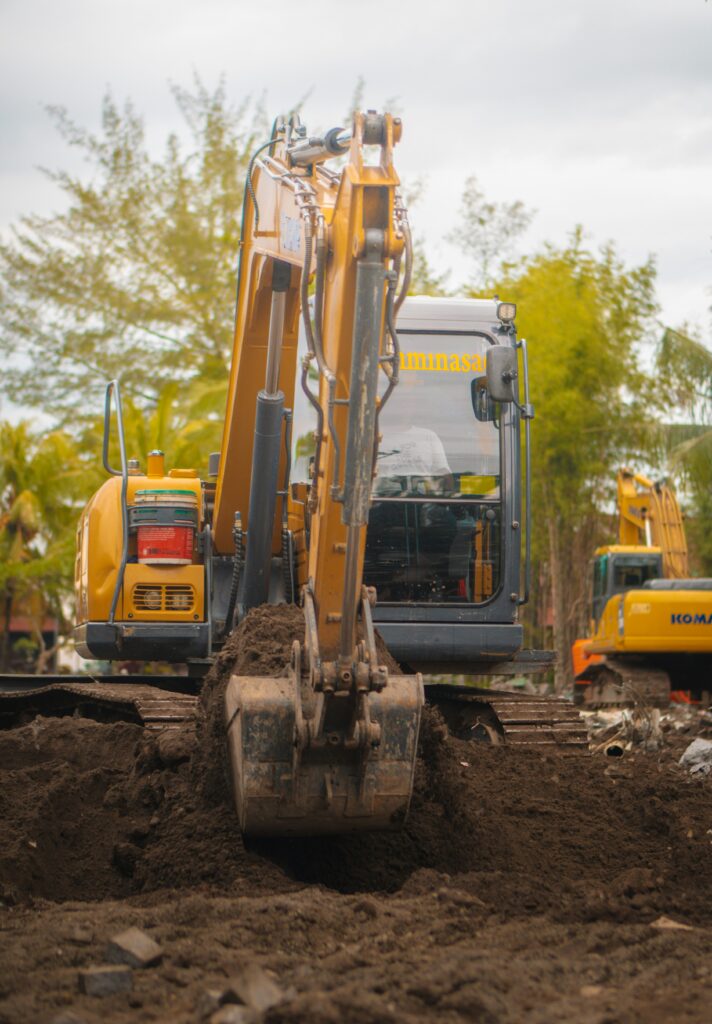
The basic machinery hire rate is only one part of the total expense. Transport charges, fuel consumption, operator fees, attachments, cleaning, and other service costs can significantly affect the final budget. Large machinery often requires specialised transport to and from the construction site, and suppliers may charge separately for delivery and collection. Contractors should establish these costs before the equipment arrives to avoid unexpected additions to the invoice.
Fuel expenses depend on the machine’s size, engine efficiency, workload, operating conditions, and number of working hours. Equipment carrying out heavy excavation may consume more fuel than machinery performing lighter grading work. If the hire agreement does not include fuel, estimate consumption using the supplier’s guidance and the expected operating schedule. Operator costs should also be included when machinery is supplied with a driver or when a qualified operator must be hired separately. Other potential charges include specialist attachments, damage waivers, insurance, cleaning fees, overtime, and additional maintenance services. Some agreements may also include minimum operating hours or charges for idle equipment. Requesting an itemised quotation makes it easier to identify these expenses and calculate a realistic total. By accounting for all related charges from the beginning, contractors can reduce the risk of budget overruns and make more informed hiring decisions.
Estimate Hire Duration and Allow for Project Delays
Accurately estimating how long machinery will be needed is essential for controlling groundwork expenses. Hire costs can rise quickly when equipment remains on site longer than planned, particularly when daily or weekly charges continue during delays. Before arranging machinery, divide the project into stages and estimate the working time required for each activity. Consider the amount of excavation, soil type, site accessibility, material transportation distance, and the productivity of the selected equipment. These factors help establish a realistic hire period rather than relying on an overly optimistic schedule.
Contractors should also account for possible delays caused by adverse weather, unexpected underground obstructions, utility relocation, equipment breakdowns, or changes to the project design. Where appropriate, include a contingency allowance in the budget rather than assuming that every activity will proceed exactly as planned. Coordinating machinery deliveries with the construction schedule can reduce the time equipment sits unused on site. For example, arranging for a compactor to arrive only after the required ground has been prepared may prevent unnecessary idle hire charges. It is also useful to confirm whether the supplier offers flexible extensions or early-return arrangements. Tracking actual operating hours and reviewing progress daily helps project managers identify delays early and make adjustments before costs increase substantially.
Prepare a Complete Machinery Hire Budget and Compare Suppliers
Once equipment requirements, hire rates, additional charges, and expected durations have been established, the next step is to prepare a complete machinery hire budget. An itemised estimate makes it easier to understand where money will be spent and identify opportunities for savings. A simple calculation is to multiply the hire rate by the number of chargeable hire periods, then add transport, fuel, operator fees, attachments, and other applicable costs. Finally, include a suitable contingency allowance based on the uncertainty and complexity of the project.
For example, if an excavator costs £250 per day and is required for four chargeable days, the basic hire cost would be £1,000. If delivery and collection cost £180, fuel costs £220, and the operator costs £160 per day for four days, the estimated subtotal would be £2,040 before taxes, other charges, and contingency. These figures are illustrative only; actual rates vary according to location, machinery type, supplier, and hire conditions. Comparing multiple itemised quotations can help contractors determine whether a supplier offers better overall value. It is also important to check equipment condition, availability, breakdown support, replacement arrangements, and the supplier’s reputation. The cheapest quote may not be the most economical option if unreliable machinery causes significant delays. By preparing a detailed estimate and reviewing suppliers carefully, contractors can manage machinery hire expenses more effectively while keeping groundwork projects on schedule and within budget.








Leave a comment