

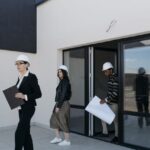





Owning a commercial building brings income, capital growth and, inevitably, a long list of obligations. Fire safety, building maintenance, accessibility, workplace health and safety, insurance and lease requirements all demand attention. Miss one, and the consequences can range from fines and insurance headaches to serious safety risks for occupants.
Many owners only think about compliance when an inspection or audit is looming. That approach tends to create stress, rushed repairs and higher costs. A better strategy is to build compliance into routine property management. For those wanting a head start, it helps to learn how to prepare for a fire safety audit well before the inspector arrives, and to use a simple checklist that covers the broader set of obligations as well.
Fire safety systems
Fire safety is one of the most important areas of compliance. Check that the following are in place and maintained according to the relevant standards and schedules:
Fire extinguishers, hose reels and hydrants. Smoke and heat detectors and fire alarm systems. Sprinkler systems. Emergency lighting and exit signs. Fire doors, including closers and latches. Fire-rated walls, ceilings and penetrations.
Many states require owners to provide annual statements or reports confirming fire safety measures are maintained. Keep detailed records of inspections, tests and repairs.
Exits and paths of travel
Exits must remain clear and accessible at all times. Check that corridors, stairwells and exit doors are free from storage, obstructions and locks that prevent easy exit.
Regular walkthroughs help ensure tenants and staff are not inadvertently blocking escape routes.
Building condition
General maintenance protects occupants and the value of the asset. Inspect roofs, gutters, drainage, external walls, balconies, balustrades, stairs, car parks and paving.
Address issues such as leaks, cracks, trip hazards and corrosion promptly. Small repairs left unattended can lead to bigger problems and potential liability.
Lifts and escalators
Lifts and escalators require regular maintenance by qualified technicians and may need periodic registration or inspection depending on the state.
Ensure maintenance contracts are in place, service records are kept and any defects are resolved quickly.
Electrical safety
Electrical installations should be maintained in a safe condition. Arrange periodic inspections and address faults promptly.
Residual current devices, switchboards and emergency power systems should be tested according to requirements.
Accessibility
Commercial buildings must comply with accessibility requirements, particularly when undergoing new works or significant alterations. Consider accessible entrances, ramps, lifts, toilets, parking and signage.
Even where older buildings are not required to meet current standards, improving accessibility can benefit tenants and visitors.
Hazardous materials
Older buildings may contain asbestos or other hazardous materials. Workplace health and safety laws may require an asbestos register and management plan for certain buildings.
Ensure any hazardous materials are identified, managed safely and disclosed to contractors before work begins.
Water systems
Cooling towers, warm water systems and other water infrastructure may be subject to health regulations designed to prevent legionella and other risks.
Check whether your building has regulated systems and ensure they are registered, maintained and tested as required.
Insurance and documentation
Review insurance policies regularly to ensure adequate cover for the building, public liability and loss of rent.
Keep organised records of compliance certificates, maintenance logs, contractor details, plans and approvals. Good documentation makes audits smoother and can support insurance claims.
Leases and tenant obligations
Leases often divide responsibilities between owners and tenants. Make sure everyone understands who is responsible for maintenance, compliance tasks and costs.
Communicate regularly with tenants and encourage them to report issues promptly.
Work with professionals
Compliance can be complex, with requirements varying between states and building types. Building surveyors, fire safety consultants, facility managers and specialist contractors can help owners stay on top of their obligations.
Creating a compliance calendar
One of the simplest ways to stay on top of obligations is a compliance calendar. List every recurring requirement, such as fire system testing, lift servicing, emergency lighting checks, cooling tower inspections, insurance renewals and annual reports, along with how often each must be done and who is responsible. Set reminders well before each due date so there is time to book contractors and fix any defects. Sharing the calendar with property managers and key contractors keeps everyone aligned. A simple spreadsheet or property management software can make tracking straightforward.
Stay ahead, stay safe
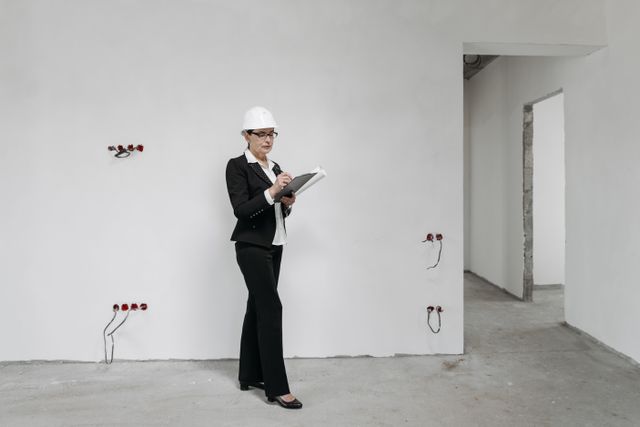
Compliance is not just about avoiding penalties. It is about protecting people, assets and income. A practical checklist, regular inspections and good records help building owners stay prepared, reduce risk and avoid the last-minute scramble when inspections arrive.







Leave a comment