






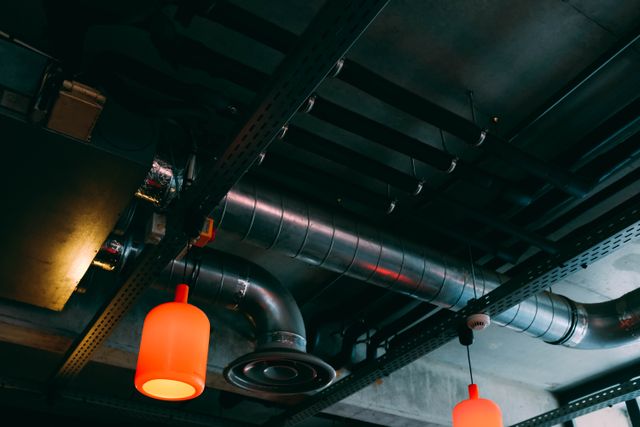
Ducted heating and cooling systems are often the biggest single home climate investment your average Australian household is going to make. Yet, the decision to install one is usually made on not much more research than buying a new telly. The tech itself is solid. What often falls down is the design, the installation quality, and the actual ductwork that connects every room. This last bit gets remarkably little airtime in the conversation about buying one. It makes all the difference in whether the system actually lives up to what it’s rated to do.
How a Ducted Heating and Cooling System Actually Works, and Why the Design Phase Matters More Than the Brand?
You’ve got a central indoor unit that treats the air. It then sends the air through a network of ducts to ceiling or floor outlets in each room. The outdoor compressor does the heavy lifting on the refrigerant cycling for reverse-cycle systems. Most buyers tend to focus on the brand of the indoor and outdoor unit, the Daikin or Mitsubishi Electric ones, for example. That’s actually a much smaller deal than the design of the duct layout, the size of the unit relative to the house’s heating needs, and how well the ducts are insulated and sealed. You can install a top-of-the-line Daikin unit and still have it perform like a mid-range model if your ductwork is rubbish. The design phase is what really sets everything else in motion. It determines which rooms get enough airflow, how quickly the system responds to zone demands, and how fast it reaches your set temperature on extreme weather days. Let’s be honest, if installers don’t bother running a proper load calculation, they’re not just cutting a few corners. They’re skipping the bit that actually determines whether the thing just works.
Zoning: The Feature That Changes Energy Economics
With zoning, you can control whether certain areas of the house are being heated or cooled. You can have the bedrooms nice and toasty while keeping the living area cooler, or vice versa. The payoff on energy savings is not to be sniffed at. You can cut energy bills by up to 50 per cent, depending on how you use the system. That’s a pretty big deal when you consider it’s running throughout the year. You’ve still got to get the zone dampers right. If they close off the duct network too much without proper bypass or variable-speed compensation, static pressure problems can develop and the system starts to struggle. It’s an installation design issue, not a product quality issue. The right configuration depends on the specific house. There’s no one-size-fits-all solution.
Ductwork: The Invisible Variable That Determines System Performance
Then there’s the ductwork. Those ducts running through the roof space can pick up heat in summer and lose it in winter. It rarely gets a mention during the sales pitch. Industry data is pretty clear. In a poor installation, duct losses can account for up to 30 per cent of the system’s overall capacity.
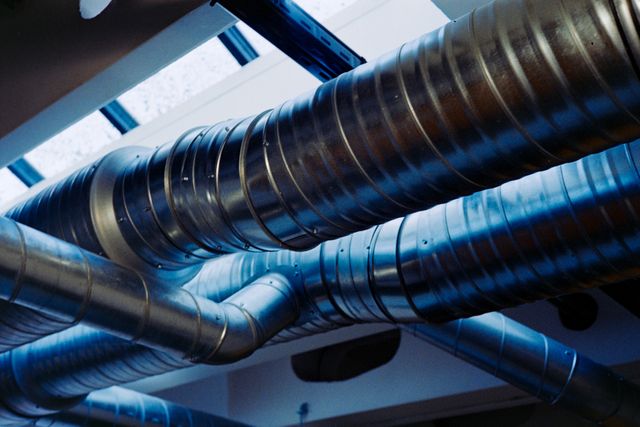
Rigid vs Flexible Ducting: The Trade-off That Rarely Gets Explained
Rigid sheet metal ductwork is the clear winner when it comes to moving air around. Its higher price tag and longer installation time mean it isn’t what you’ll usually find in most Australian homes. Flexible ducting is the standard option. It isn’t a bad choice if it’s installed properly. The problem isn’t the ducting itself. It’s the way it’s installed. People making too many tight bends, not putting in enough supports, and running the duct far longer than necessary to reach an outlet all cause problems.
Installation Licensing and What ARCtick Actually Means
If you’re working with refrigerants in Australia, and most ducted heating and cooling systems do, you’ll need to be ARCtick certified under the Refrigerant Handling Licence rules. This isn’t just a nice-to-have qualification. It’s a legal requirement. Any ducted system installation involving refrigerant must be completed by someone who’s properly qualified. Before the job starts, make sure your installer can provide their ARCtick licence number without hesitation. If they can’t, it’s probably best to choose someone else. ARCtick qualification is the bare minimum. It doesn’t mean the installer is skilled at designing duct layouts or delivering a high-quality installation. Someone can be ARCtick certified and still make serious installation mistakes. The licence is the starting point. It isn’t a guarantee of quality.
Brand Selection: What the Performance Differences Actually Look Like
Daikin, Mitsubishi Electric, Fujitsu, and Actron Air are basically the big four in the Australian market for ducted air conditioning systems. Actron Air designs its systems with Australian conditions in mind and assembles them locally. Panasonic and LG sit in the mid-range of the market. When it comes to brands at similar price points, the differences are in inverter efficiency during hot weather, operating noise at different loads, filter accessibility, and the type of interface used for zone control. Those practical differences often matter more in day-to-day use than the badge on the indoor unit.







Leave a comment