





Building maintenance is one of those responsibilities that often fades into the background—until something goes wrong. Whether it’s a commercial property, industrial site, or mixed-use building, small oversights can quietly turn into expensive repairs, safety risks, or operational disruptions. Understanding the most common building maintenance mistakes is the first step toward avoiding them and protecting the long-term value of your property.
In this article, we’ll explore where building owners and facility managers often go wrong, and how a proactive, structured approach—covering everything from routine inspections to specialised services like goods lift maintenance—can make all the difference.
Mistake 1: Taking a Reactive Instead of Proactive Approach
One of the most common building maintenance mistakes is waiting until something breaks before addressing it. Reactive maintenance may seem cost-effective in the short term, but it often leads to higher repair costs, emergency call-outs, and unplanned downtime.
How to avoid it:Implement a preventative maintenance schedule that covers all major building systems. Regular inspections help identify minor issues—like leaks, worn components, or early corrosion—before they escalate into costly failures.
Mistake 2: Ignoring Regular Inspections
Skipping routine inspections can allow hidden problems to develop unnoticed. Roof damage, plumbing leaks behind walls, electrical wear, and structural fatigue often progress silently until significant damage occurs.
How to avoid it:Schedule consistent inspections across all areas of the building, including hard-to-access spaces. Document findings, prioritise repairs, and ensure follow-ups are completed rather than deferred indefinitely.
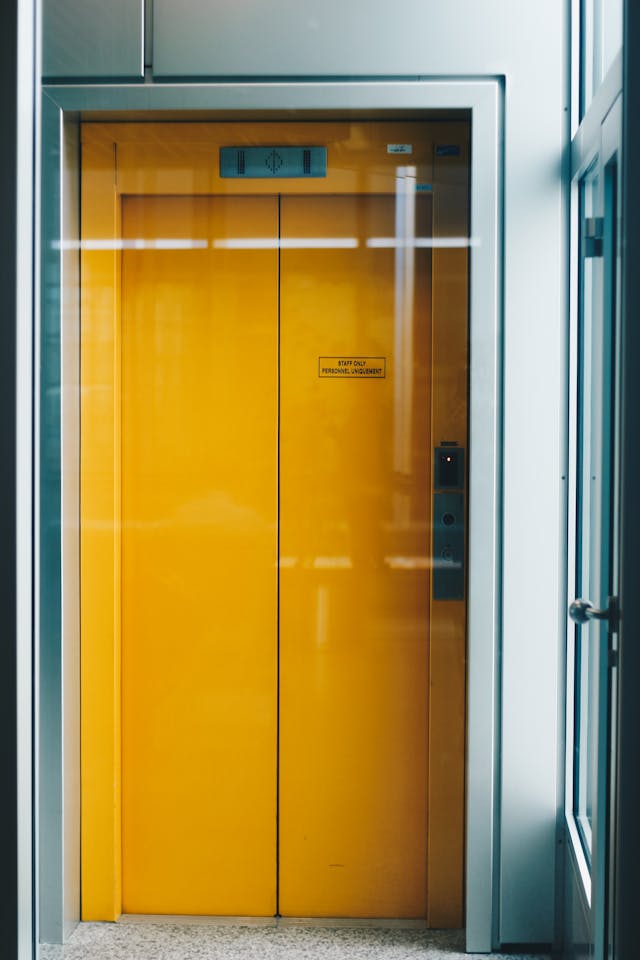
Mistake 3: Overlooking Mechanical and Vertical Transport Systems
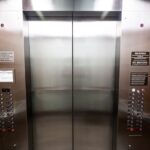
Lifts, goods hoists, and other mechanical systems are critical to daily operations, particularly in commercial and industrial buildings. Neglecting their upkeep can lead to safety risks, compliance issues, and costly downtime.
How to avoid it:Engage qualified professionals for specialised servicing and ensure all mechanical systems are maintained according to manufacturer guidelines and Australian standards. Regular servicing extends equipment lifespan and supports safe, reliable operation.
Mistake 4: Deferring Maintenance to Cut Costs
Postponing maintenance is often seen as a way to save money, but deferred maintenance usually costs more in the long run. Minor issues can snowball into major repairs, asset replacements, or even building closures.
How to avoid it:View maintenance as an investment rather than an expense. Allocating a dedicated maintenance budget helps spread costs over time and prevents sudden financial strain caused by unexpected failures.
Mistake 5: Using Unqualified or Inexperienced Contractors
Choosing contractors based solely on price can compromise quality and safety. Poor workmanship may fail to meet compliance requirements or create further issues down the track.
How to avoid it:Work with licensed, insured, and experienced professionals who understand the specific requirements of your building. Clear scopes of work and regular performance reviews help maintain consistent standards.
Mistake 6: Neglecting Compliance and Safety Requirements
Building maintenance isn’t just about functionality—it’s also about compliance. Failing to meet safety regulations, fire standards, or accessibility requirements can expose owners to legal and financial risks.
How to avoid it:Stay up to date with relevant Australian building codes and safety standards. Regular audits and professional assessments ensure compliance is maintained as regulations evolve.
Mistake 7: Poor Record Keeping
Without accurate maintenance records, it’s difficult to track recurring issues, warranties, service intervals, or compliance checks. This often leads to duplicated work or missed obligations.
How to avoid it:Maintain detailed records of inspections, repairs, and servicing. Digital maintenance logs or facility management systems make it easier to monitor trends and plan future works efficiently.
Mistake 8: Failing to Plan for Long-Term Asset Care
Many buildings focus on short-term fixes without considering the long-term performance of key assets. Over time, this leads to premature replacements and higher lifecycle costs.
How to avoid it:Adopt a long-term asset management plan that accounts for wear, expected lifespan, and future upgrades. Strategic planning helps align maintenance decisions with operational and budgetary goals.
Building Maintenance Done Right
Avoiding common building maintenance mistakes comes down to consistency, planning, and working with the right experts. By shifting from reactive fixes to preventative care, prioritising safety and compliance, and keeping thorough records, building owners can reduce costs, improve reliability, and extend the life of critical infrastructure.
A well-maintained building isn’t just easier to manage—it’s safer, more efficient, and better positioned to support occupants and operations for years to come.




Leave a comment