






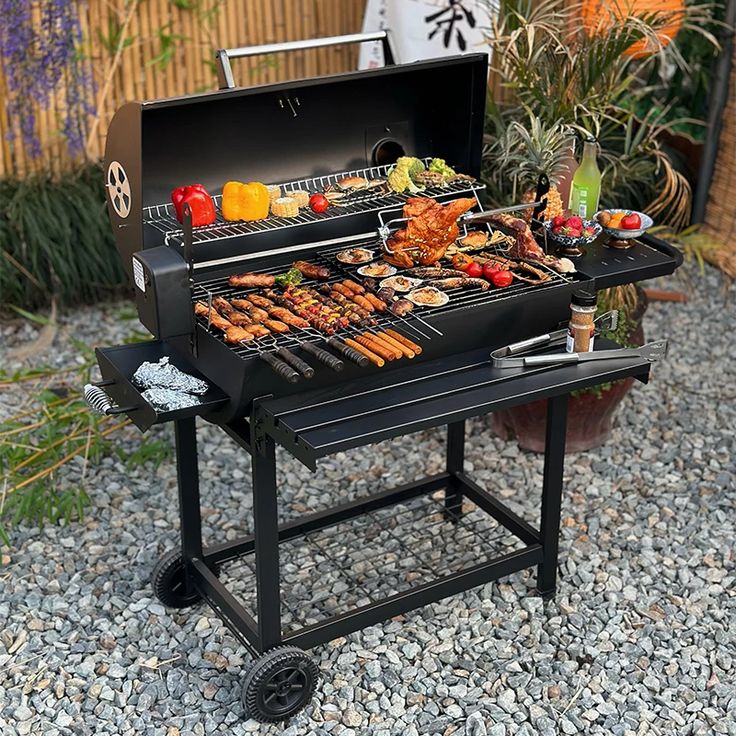
There’s nothing quite like the smoky aroma of a perfectly cooked brisket or ribs wafting through the air on a sunny afternoon. If you’re a BBQ enthusiast, you know that your smoker is more than just a cooking appliance it’s an investment that deserves some TLC. But how do you ensure it stays in top shape? Enter BBQ smoker maintenance! Regular upkeep not only enhances flavor but also extends the life of your beloved grill. Dive in as we explore essential tips and tricks to keep your BBQ smoker performing at its best and ready for every cookout adventure.
The Importance of Regular Maintenance
There are high-rated smoker grill options and regular maintenance of your BBQ smoker is crucial for optimal performance. A well-maintained grill not only enhances flavor but also ensures safety while cooking.
When you neglect upkeep, built-up grease and residue can lead to flare-ups or even damaging the smoker’s components. This could result in costly repairs or replacements down the line.
Moreover, consistent cleaning prevents rust and corrosion from taking hold. Moisture can accumulate within uncleaned smokers, creating an environment ripe for decay.
Taking time to inspect parts like gaskets and vents helps maintain airflow and temperature control. Proper attention means you’re more likely to achieve those tender, smoky results everyone craves.
Investing a little effort into regular maintenance makes your smoking experience more enjoyable. It allows you to focus on what really matters: perfecting that mouthwatering brisket or succulent ribs.
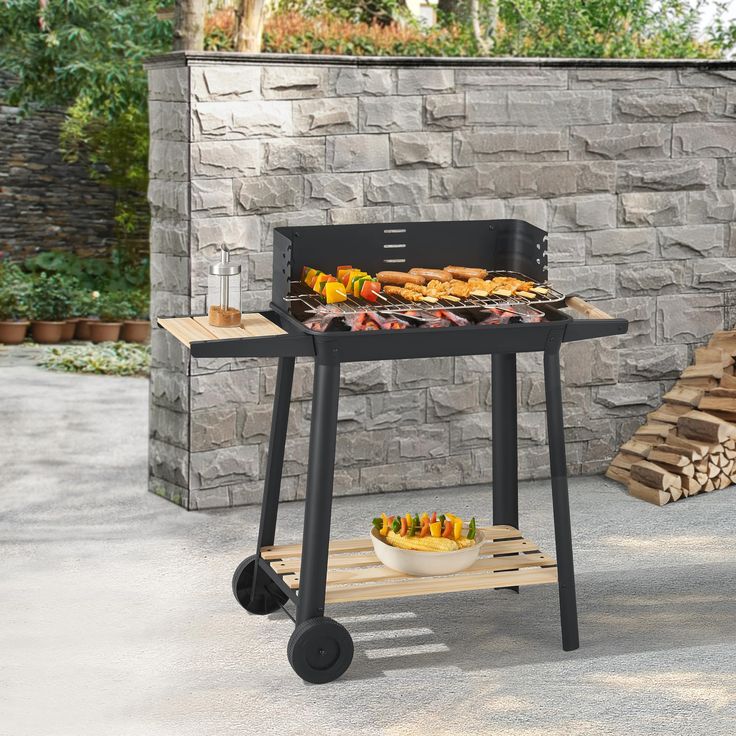
Steps for Properly Cleaning and Maintaining Your BBQ Smoker
Start by ensuring your smoker is cool and unplugged. Safety first! Remove the grates and any other removable components. Give them a thorough scrub using warm, soapy water.
Next, tackle the interior. Use a putty knife or scraper to remove built-up grease and residue from the walls. A mixture of vinegar and water can help dissolve stubborn spots.
Don’t forget about the firebox; it’s where most of the action happens. Clean out ashes carefully to prevent clogs in airflow.
Check for rust on metal surfaces this can be treated with steel wool followed by seasoning with oil.
Inspect seals around doors for wear or damage. These are crucial for maintaining temperature control during cooking sessions. Keeping everything clean enhances performance and prolongs life!
Common Issues and How to Fix Them
BBQ smokers can face a few common issues that might put a damper on your grilling plans.
One frequent problem is uneven cooking. This often stems from hot spots in the smoker. To fix it, rotate your food occasionally during the smoking process. Adding a water pan can also help create even heat distribution.
Another annoyance is excessive ash buildup, which can obstruct airflow. Clean out the ashes regularly after each use and inspect vents to ensure they’re clear.
If you notice smoke leaking from gaps or seams, it’s time to address those areas with high-temp silicone sealant.
If your temperature gauge seems off, consider calibrating it or investing in an external digital thermometer for accuracy.
Stay proactive about these issues for smoother smoking sessions ahead!
Best Practices for Seasoning and Storing Your Smoker
Seasoning and storing your BBQ smoker properly can greatly extend its life and enhance the flavor of your food. Start by seasoning your smoker after each deep clean. This process involves applying a thin layer of cooking oil to all interior surfaces, then heating it up to create a protective coating. Doing this regularly ensures that rust doesn’t get a foothold.
When it comes to storage, make sure your smoker is completely dry before putting it away. Moisture can lead to corrosion and mold buildup, both detrimental to performance and taste. If possible, invest in a good quality cover designed for smokers; this will protect against dust, rain, and other environmental factors when it’s not in use.
If you live in an area with colder winters or high humidity levels, consider bringing your smoker indoors if space allows. Alternatively, place desiccants inside the unit during long periods of non-use to keep moisture at bay.
Remember that different types of grills may have varying needs regarding seasoning methods or storage solutions; always refer to the manufacturer’s guidelines for specific instructions tailored for your model.
By following these best practices consistently, you’ll ensure that every grilling season starts off right with optimal performance from your BBQ smoker!










Leave a comment