




Hot water is one of those everyday comforts most of us don’t think about — until the shower runs cold or the energy bill arrives. In Australian households, water heating can account for a significant portion of total energy use. That means small, seemingly harmless habits may be costing you more than you realise.
The good news? A few simple changes can make a noticeable difference. Whether it’s adjusting your system settings, checking for inefficiencies, or even performing a quick hot water factory reset on your unit to resolve performance glitches, taking proactive steps can improve efficiency, reduce waste, and extend the lifespan of your system.
If you’ve ever wondered whether you’re unintentionally wasting hot water, here are 10 common habits to fix today.
Letting the Tap Run While You Wait for It to Heat Up
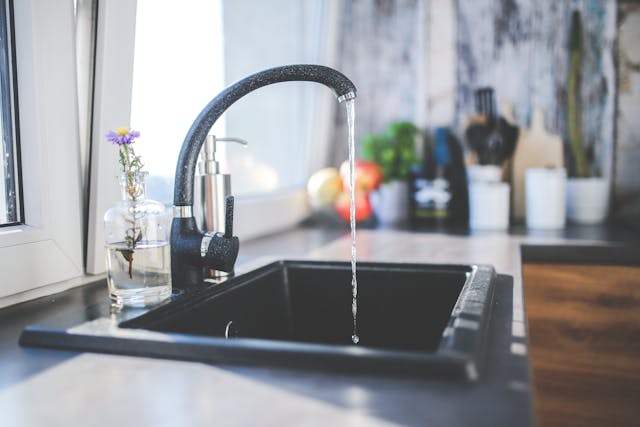
Running the tap while waiting for hot water is one of the biggest culprits of water waste. In some homes, it can take 30–60 seconds for hot water to reach the tap, sending litres down the drain in the process.Fix it:
- Collect the initial cold water in a bucket and use it for plants or cleaning.
- Consider installing a recirculation system if the delay is excessive.
Taking Long, Steamy Showers
A 10-minute shower with a standard showerhead can use well over 100 litres of water — much of it heated. Stretch that to 20 minutes and the cost multiplies.Fix it:
- Aim for 4–5 minute showers.
- Install a water-efficient showerhead (look for a good WELS rating).
- Use a shower timer to stay accountable.
Washing Small Loads in the Dishwasher
Running a half-empty dishwasher still uses the same amount of heated water as a full load.Fix it:
- Wait until it’s fully loaded.
- Use eco modes when available.
Using Hot Water for Every Laundry Load
Many people default to warm or hot cycles, even when it’s not necessary. Modern detergents are designed to work effectively in cold water.Fix it:
- Switch to cold washes for everyday clothing.
- Reserve hot washes for heavily soiled items or sanitisation needs.
Ignoring Dripping Hot Taps
A dripping hot tap might seem minor, but over time it can waste thousands of litres of heated water annually — and you’re paying to heat every drop.Fix it:
- Replace worn washers promptly.
- Schedule routine plumbing maintenance.

Setting Your Water Heater Temperature Too High
Some systems are set far above recommended levels. While water must be hot enough to prevent bacteria growth, excessively high settings increase energy use and scalding risk.Fix it:
- Ensure your storage system is set to around 60°C (or as recommended by your installer).
- If unsure, have a licensed plumber check it.
Rinsing Dishes Under Running Hot Water
Pre-rinsing dishes under a steady stream of hot water can waste significant amounts before they even reach the dishwasher.Fix it:
- Scrape food scraps into the bin or compost.
- Let the dishwasher handle the rest.
Not Insulating Hot Water Pipes
Uninsulated pipes lose heat as water travels through them, meaning your system works harder and longer.Fix it:
- Insulate accessible hot water pipes.
- Ensure your hot water tank is properly insulated.
Overusing the Hot Tap for Handwashing
Hot water feels comforting, especially in winter, but for most handwashing tasks, cold water works just as effectively when combined with soap.Fix it:
- Use cold water unless warmth is truly necessary.
- Encourage the whole household to adopt the habit.
Ignoring an Inefficient or Ageing System
If your hot water system is more than 8-12 years old, it may be running inefficiently — even if it still “works.”Fix it:
- Monitor for inconsistent temperatures or unusual noises.
- Consider upgrading to a more energy-efficient model, such as heat pump or solar-assisted systems.
- Perform periodic checks and resets where appropriate to maintain optimal performance.

The Bigger Picture: Why It Matters
Reducing hot water waste isn’t just about saving money — although that’s a welcome bonus. It also lowers energy demand, reduces greenhouse emissions, and eases pressure on Australia’s water resources.In many households, improving hot water habits can noticeably reduce utility bills within months. More importantly, it builds a mindset of efficiency and sustainability that benefits both your home and the broader community.
A Simple Audit You Can Do Today
Take 10 minutes to assess:
- How long your showers actually last
- Whether any taps drip
- What temperature your system is set to
- How often you run appliances half-full
You might be surprised by what you discover.
Hot water is one of life’s small luxuries — but it shouldn’t come at the cost of unnecessary waste. By addressing these 10 habits today, you can improve efficiency, reduce your environmental footprint, and keep more money in your pocket.Sometimes, it’s not about major renovations or expensive upgrades. It’s about small, practical adjustments that add up over time.




Leave a comment