





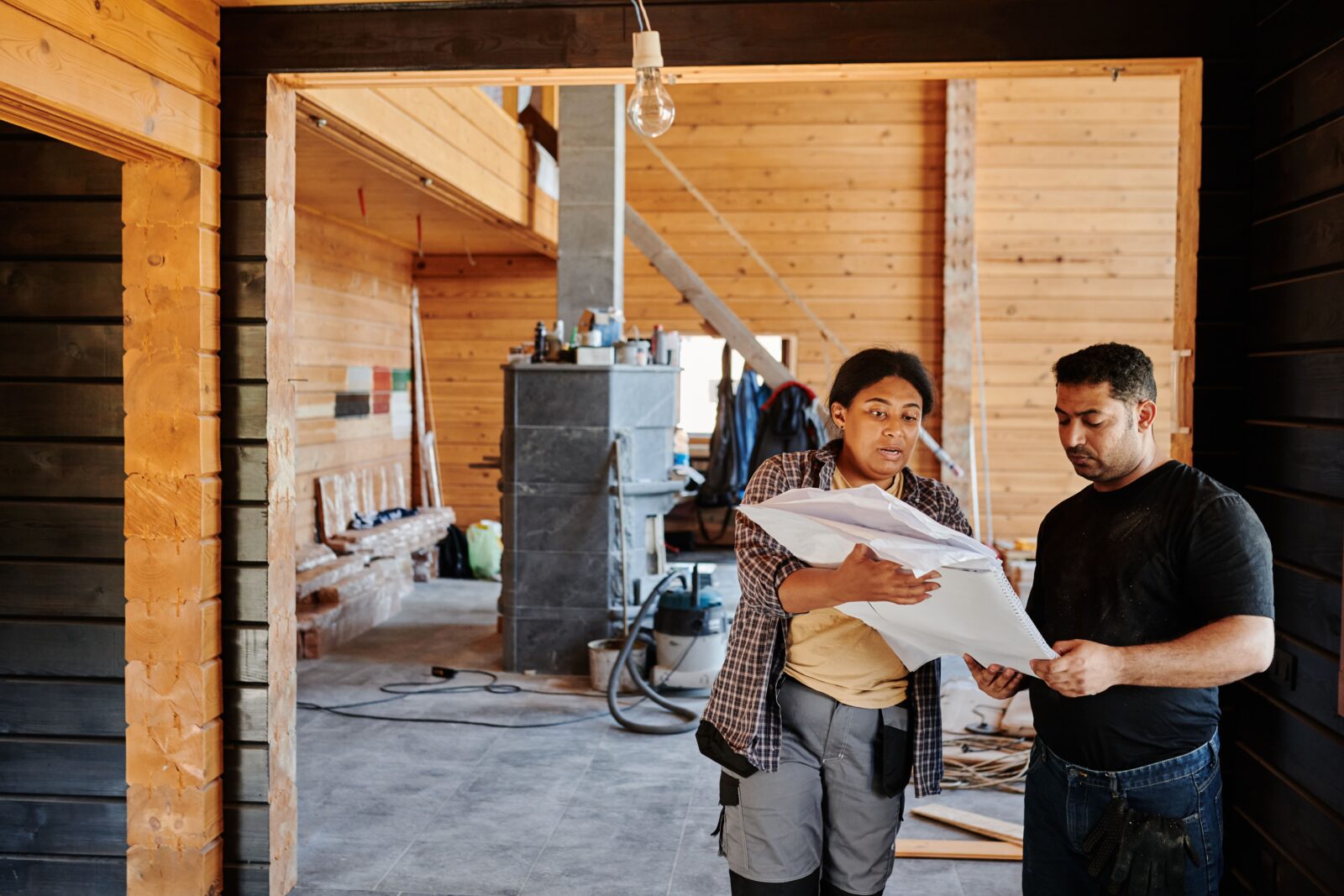
One of the first steps when choosing a home builder is researching their experience within the construction industry. Builders with extensive experience are generally more familiar with different construction methods, building materials, project requirements, and potential challenges.
Look for companies that have completed projects similar to your planned home. For example, if you want a contemporary family home, explore builders with experience in modern architectural designs and practical residential layouts.
You should also research the company’s reputation by reading customer reviews, testimonials, and recommendations. Feedback from previous clients can provide useful information about workmanship, reliability, communication, and overall customer satisfaction.
Review Previous Construction Projects
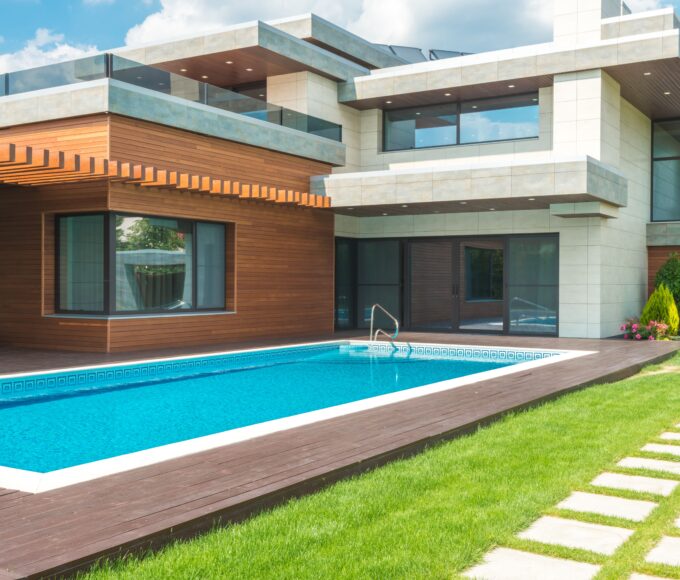
premierhomesvic.com.au previous work can help you understand the quality and style of their construction. Many professional home builders showcase completed projects through online galleries, websites, and social media platforms.
Pay attention to important details such as exterior finishes, interior layouts, roofing, windows, flooring, and overall construction quality. These examples can help you determine whether the builder’s capabilities match your expectations.
If possible, arrange to visit a completed property or a current construction site with permission. Seeing the work firsthand can provide a clearer understanding of the company’s building standards and attention to detail.

Check Licences, Qualifications, and Insurance
Before hiring a home builder, verify that they have the necessary licences, registrations, qualifications, and insurance required for residential construction in your area.
Professional builders should understand relevant building regulations, safety requirements, and construction standards. Their qualifications and experience can provide reassurance that they have the knowledge needed to manage your project appropriately.
It is also important to confirm that suitable insurance coverage is in place. Ask the builder to explain what protection is available and request relevant documentation before signing an agreement.
Taking these steps can help protect your investment and reduce potential risks during construction.
Compare Quotes and Understand Project Costs
Budget planning is an essential part of any home construction project. Request detailed quotations from several builders to understand the expected costs and compare the services included in each proposal.
A comprehensive quotation should outline labour, materials, construction stages, additional services, and any potential extra expenses.
Avoid choosing a builder based entirely on the lowest price. An unusually inexpensive quotation may exclude important items or involve compromises in material quality.
Instead, focus on understanding what each builder offers and whether their pricing reflects the quality, services, and specifications you require.
Evaluate Communication and Customer Service
Clear communication is essential for maintaining a positive relationship with your home builder. From the initial consultation to the final inspection, you should feel comfortable discussing your ideas, asking questions, and raising concerns.
A professional builder should explain construction processes, provide regular progress updates, and communicate any unexpected changes that could affect the project.
It is also worth discussing who your main point of contact will be throughout construction. Knowing who to approach for updates and decisions can make the overall building process more organised.
Understand Contracts, Warranties, and Timelines
Before construction begins, carefully review the building contract and make sure all important project details are clearly documented.
The agreement should explain the scope of work, payment schedule, materials, construction specifications, expected completion date, and procedures for handling variations.
You should also ask about warranties and after-construction support. Understanding what is covered and how potential defects will be addressed can provide additional confidence.
Discuss realistic construction timelines and ask how weather conditions, material availability, or unexpected site issues could affect progress.







Leave a comment