






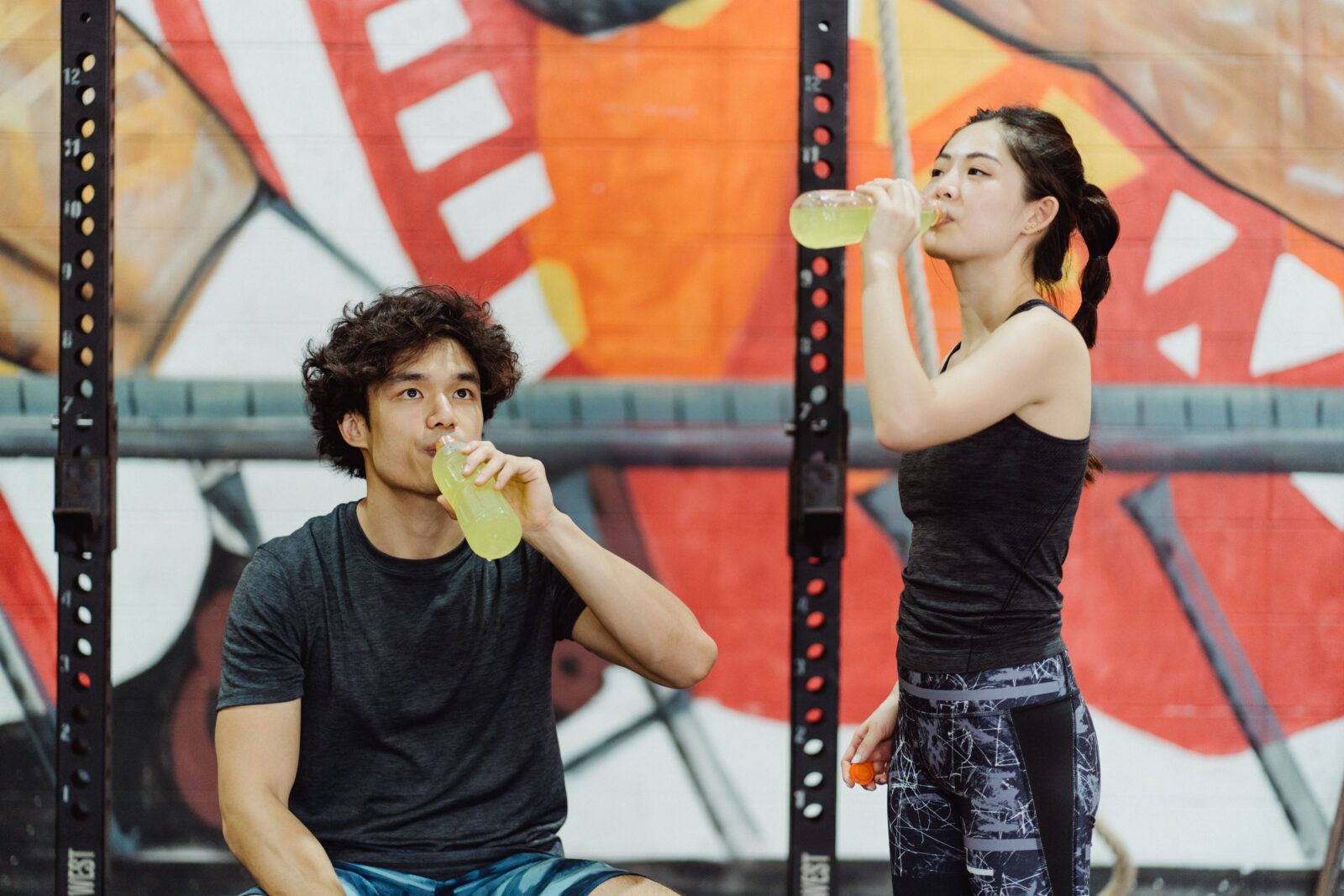
Nutrition plays an important role in supporting physical activity and recovery. The foods you eat before and after exercise provide energy, supply essential nutrients and help your body respond to training demands.
Pre-workout nutrition focuses on preparing your body for physical activity. It provides fuel that can help you maintain energy throughout your session. Post-workout nutrition, on the other hand, focuses on replenishing energy stores and supplying nutrients that support muscle repair and recovery.
Both are important parts of a balanced fitness routine. However, your nutritional requirements depend on factors such as exercise intensity, workout duration, personal goals and everyday eating habits.
What to Eat Before a Workout
Eating before exercise can help provide the energy needed for physical activity. Carbohydrates are particularly useful because they supply glucose, which the body uses as an important energy source during exercise.
Suitable eat before or after gym foods include bananas, oats, wholegrain toast, rice and yoghurt. These options provide carbohydrates that can support energy availability during training.
Including a moderate amount of protein may also be beneficial, particularly before strength-training sessions. For example, yoghurt with fruit or toast with eggs can provide a combination of nutrients.
The ideal meal size depends on how much time you have before exercising. A larger meal may be more comfortable two to three hours beforehand, while a smaller snack may be suitable closer to your workout.
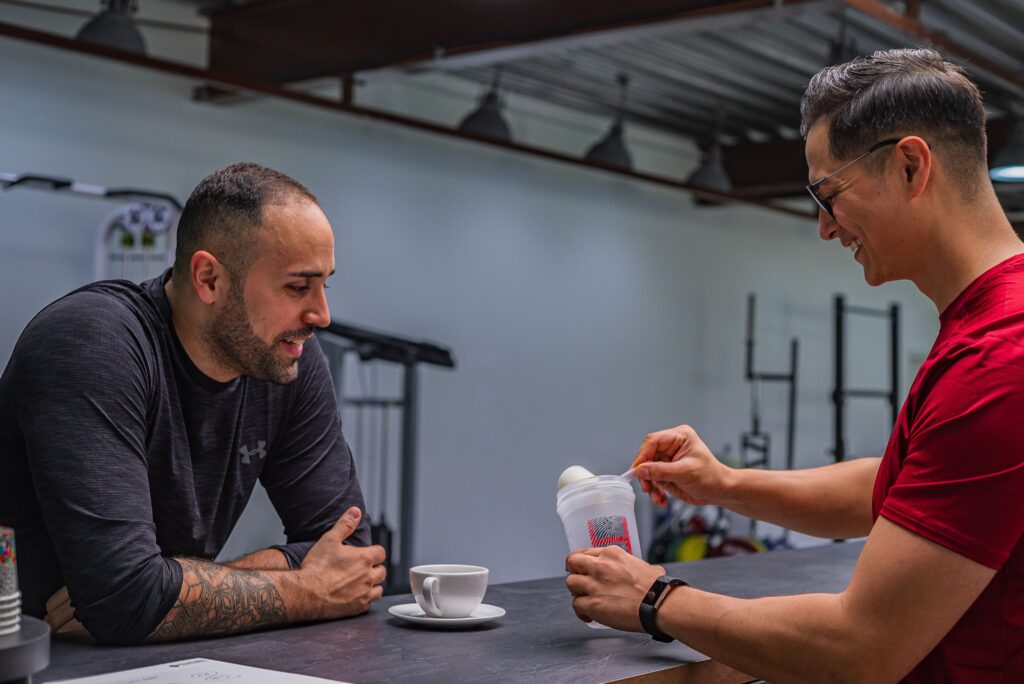
Choosing the Right Pre-Workout Timing
Timing can influence how comfortably you exercise after eating. Consuming a large meal immediately before physical activity may cause discomfort, particularly during running, intense cardio or other demanding workouts.
For many people, eating a balanced meal around two to three hours before exercise provides sufficient time for digestion. If you have less time, a smaller snack containing easily digested carbohydrates may be more suitable.
Examples include a banana, a small portion of yoghurt or a slice of toast. Individual preferences and digestive tolerance should guide these choices.
It is also important to drink enough water throughout the day. Starting a workout adequately hydrated can support normal body function and help maintain exercise performance.
What Your Body Needs After Exercise
After exercise, your body needs nutrients to support recovery and prepare for future activity. Protein is particularly important because it provides amino acids used in muscle repair and growth.
Good protein sources include eggs, chicken, fish, milk, yoghurt, beans and lentils. Including a suitable protein source in a post-workout meal can help support muscle recovery, especially after resistance training.
Carbohydrates are also useful after exercise because they help replenish muscle glycogen, the stored form of energy used during physical activity.
A balanced meal containing rice, vegetables and fish or chicken can provide carbohydrates, protein and other essential nutrients. The exact combination should reflect your dietary preferences and nutritional requirements.
Hydration and Essential Nutrients
Hydration is important before, during and after exercise. Water helps regulate body temperature, transport nutrients and support normal muscle function.
For most moderate workouts, drinking water regularly is generally sufficient. Longer or particularly intense exercise sessions, especially in hot conditions, may increase fluid and electrolyte losses through sweating.
Foods such as bananas, vegetables, dairy products and other balanced meal ingredients can contribute essential minerals. Sports drinks may be useful in certain prolonged or demanding exercise situations, but they are not necessary for every workout.
Paying attention to thirst, sweat loss and individual exercise conditions can help guide hydration habits.
Matching Nutrition to Your Fitness Goals
Your nutritional approach should support your specific fitness goals. Someone focusing on building muscle may prioritise sufficient daily protein and adequate energy intake. Individuals aiming to improve endurance may place greater emphasis on carbohydrate availability.
For general fitness, maintaining balanced meals throughout the day is often more important than relying on specific pre-workout or post-workout products.
Consistency also matters. Regularly eating nutritious foods, drinking enough water and allowing sufficient recovery time can support long-term progress.






Leave a comment