






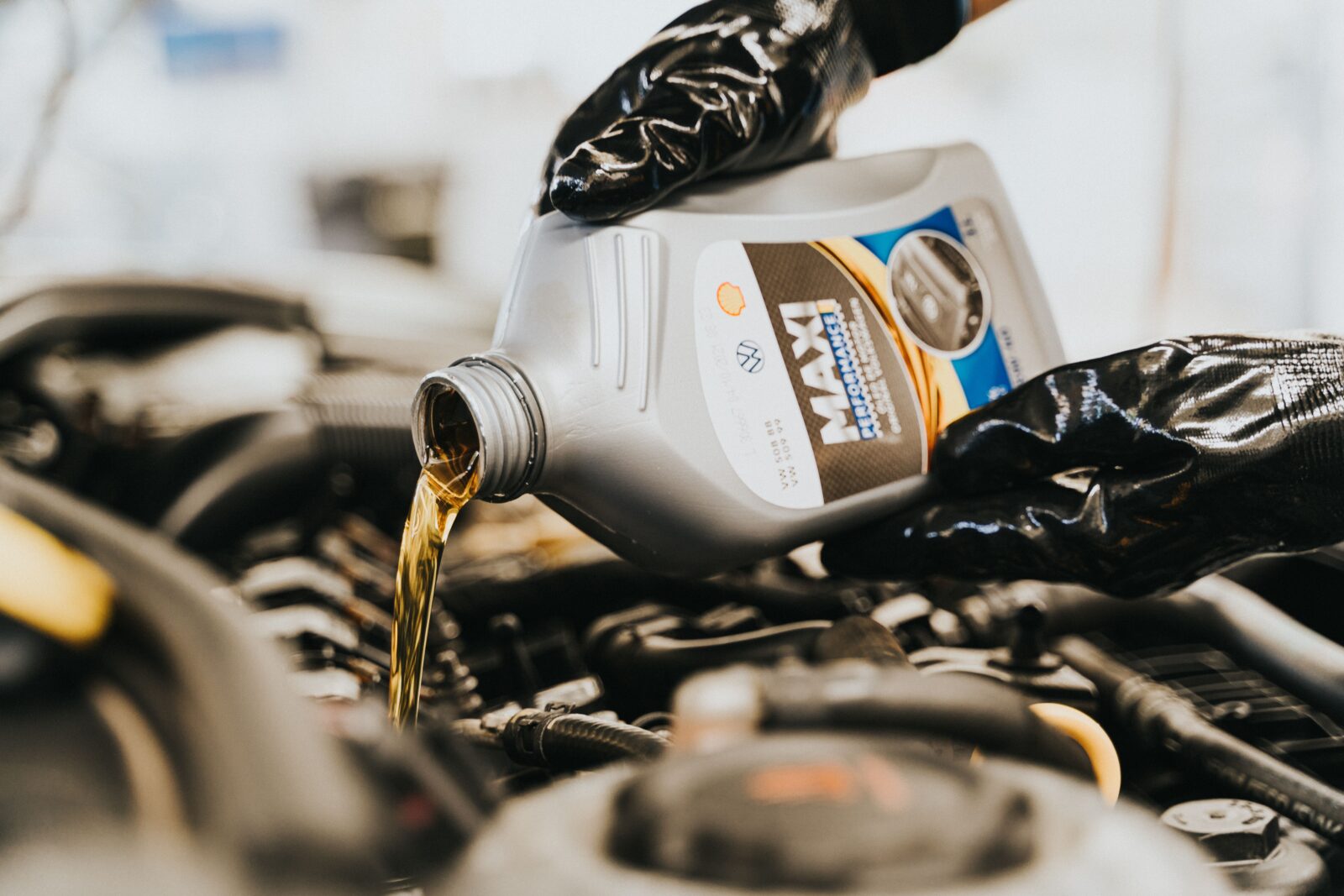
An engine contains many moving parts that operate together at high speeds and temperatures. Components such as pistons, crankshafts and camshafts require proper lubrication to move smoothly and minimise friction.
Engine oil creates a protective layer between these moving surfaces. This helps reduce direct metal-to-metal contact, limiting unnecessary wear during normal operation.
Over time, engine oil gradually loses some of its lubricating effectiveness. Heat, pressure and everyday driving conditions can affect its quality. Changing the oil at the recommended intervals helps maintain suitable lubrication and protects important engine components from premature wear.
Helping Control Engine Temperature
Engine oil also contributes to managing the heat produced while an engine operates. Although the cooling system performs the main temperature-control function, oil helps absorb and carry heat away from certain internal components.
As oil circulates through the engine, it helps distribute heat and supports the overall cooling process. However, old or degraded oil may not perform this function as effectively as fresh oil.
Maintaining the correct oil level and change engine oil when required can support consistent engine operation. This is particularly important for vehicles regularly driven in heavy traffic, during long journeys or under demanding conditions.
Removing Dirt and Harmful Deposits
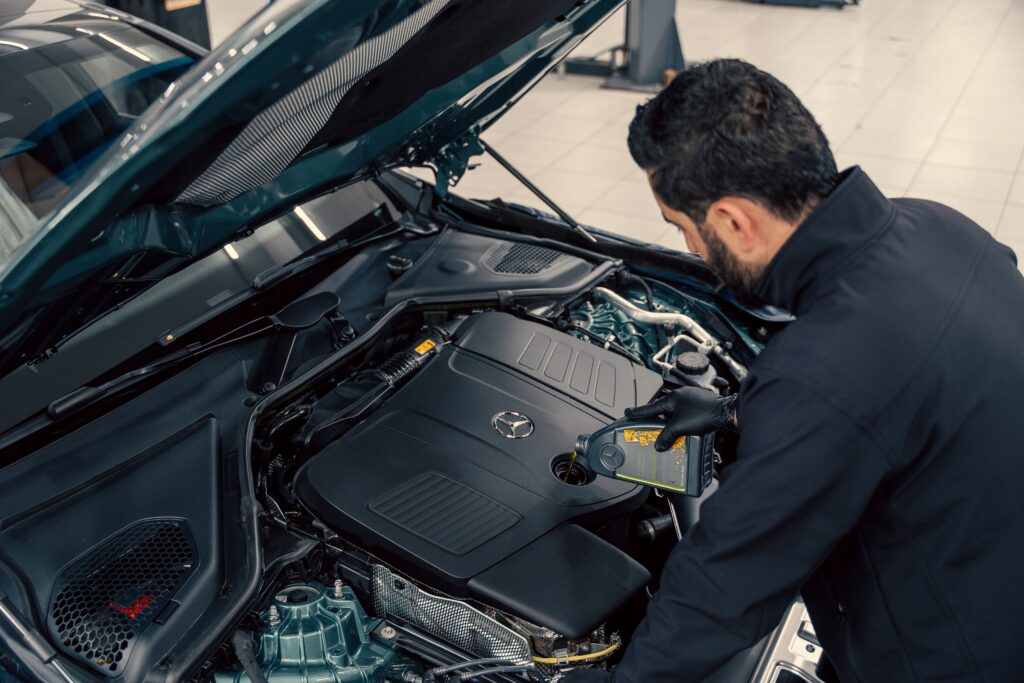
During normal engine operation, small particles, combustion by-products and other contaminants can enter the oil. If these substances accumulate, they may contribute to sludge formation and affect the performance of internal components.
Engine oil contains additives that help suspend certain contaminants so they can be captured by the oil filter. Over time, however, the oil and its additives gradually become less effective.
Regular oil changes remove much of the contaminated oil and allow fresh lubricant to circulate through the engine. Replacing the oil filter when recommended also helps maintain effective filtration and supports cleaner engine operation.
Supporting Fuel Efficiency and Engine Performance
The condition of engine oil can influence how efficiently an engine operates. When oil becomes old, dirty or unsuitable for the vehicle, its ability to lubricate moving components may decrease.
Increased friction can make the engine work harder, potentially affecting fuel efficiency and overall performance. Fresh oil with the correct viscosity helps moving parts operate as intended and supports smoother engine operation.
Drivers should always use oil that meets the manufacturer’s specifications. Choosing the correct oil type is important because different engines require different lubrication properties. The recommended grade and specification can usually be found in the vehicle owner’s manual.
Preventing Costly Engine Repairs
Neglecting regular oil changes can contribute to serious mechanical problems over time. Poor lubrication may increase internal wear, while accumulated sludge can restrict oil flow and affect important engine components.
In severe cases, inadequate lubrication can lead to overheating, component damage or complete engine failure. These problems may require expensive repairs or even engine replacement.
Following a suitable maintenance schedule is a practical way to reduce these risks. Regular servicing also gives mechanics an opportunity to identify potential oil leaks, unusual contamination or other issues before they develop into more significant problems.
Following the Correct Oil Change Schedule
The ideal oil change interval depends on the vehicle, engine design, oil type and driving conditions. Some manufacturers recommend different service intervals depending on whether the vehicle is used mainly for short journeys, highway driving or demanding conditions.
Drivers should consult their owner’s manual and follow the manufacturer’s maintenance recommendations rather than relying on a universal mileage interval.
It is also important to check the engine oil level periodically, using the correct procedure for the vehicle. Warning lights, unusual engine noises or visible oil leaks should be investigated promptly by a qualified mechanic.









Leave a comment