






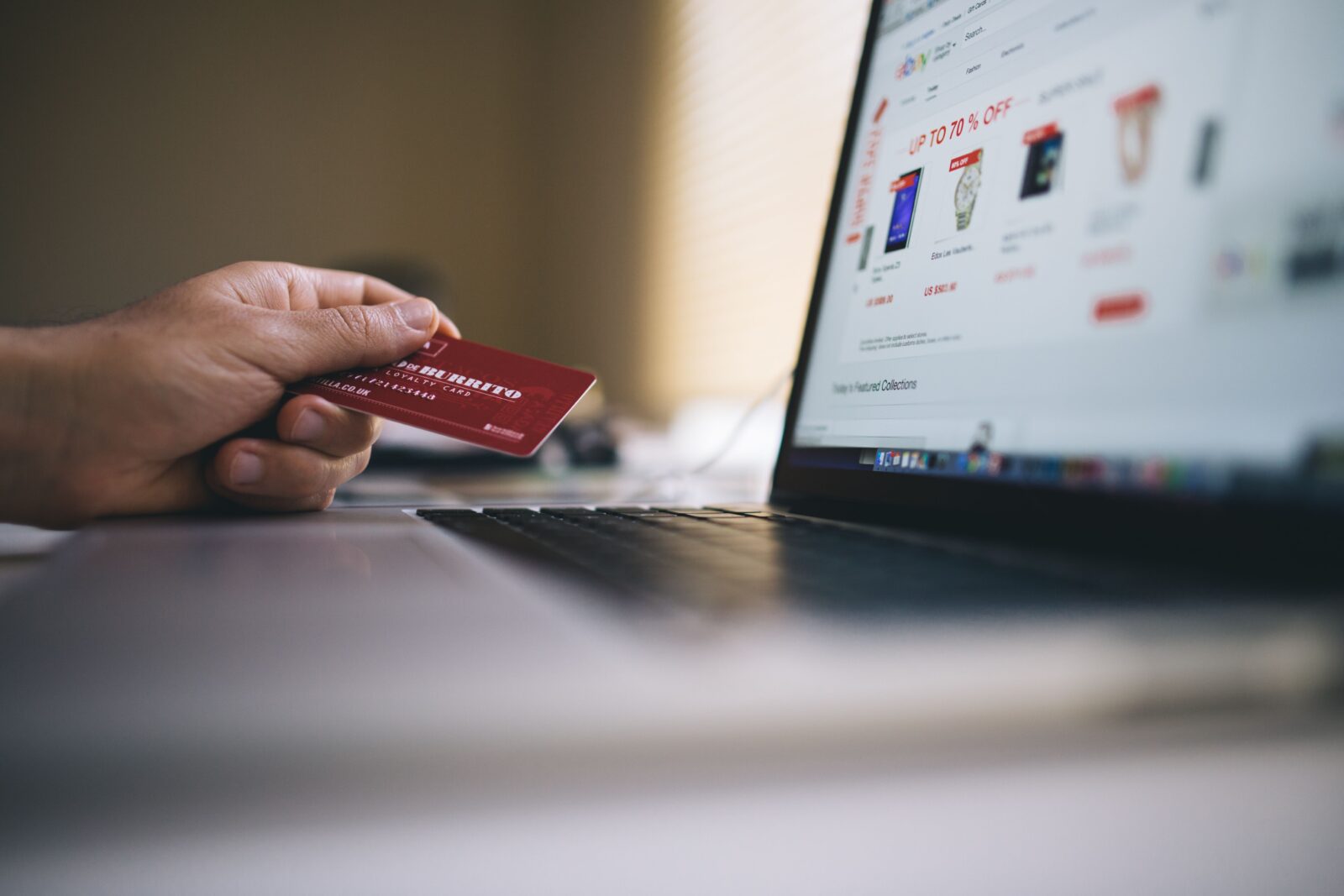
Increasing website traffic is useful, but it does not guarantee higher sales. Ecommerce businesses should also focus on turning existing visitors into paying customers. A website with a clear layout, simple navigation and straightforward purchasing process can encourage customers to complete their orders.
Product pages should include detailed descriptions, high-quality images, accurate pricing and clear information about product availability. Providing customer reviews and frequently asked questions can also help shoppers make informed decisions.
A simple checkout process is equally important. Reducing unnecessary steps, offering guest checkout and displaying delivery costs early can help minimise abandoned shopping carts. Improving these areas allows businesses to make better use of their existing website traffic.
Build Strong Customer Relationships
Long-term ecommerce improve ecommerce marketing depends on more than attracting first-time buyers to Encouraging existing customers to return can create a more consistent source of revenue and strengthen brand relationships.
Businesses can use personalised email campaigns to share product recommendations, new arrivals, special offers and useful information. Sending follow-up messages after purchases can also help maintain communication and encourage customers to explore related products.
Customer support plays an important role in building trust. Responding to questions promptly, providing clear return policies and resolving complaints professionally can improve the overall shopping experience. When customers feel valued, they may be more likely to purchase again and recommend the business to others.

Use Personalisation to Improve Shopping Experiences
Personalisation allows ecommerce businesses to make shopping experiences more relevant to individual customers. Rather than presenting every visitor with identical recommendations, businesses can use browsing behaviour, purchase history and customer preferences to suggest suitable products.
For example, an online clothing store might recommend matching accessories based on a customer’s previous purchase. A technology retailer could highlight compatible products or useful accessories.
Personalised product recommendations, targeted promotions and relevant email content can help customers discover products that match their interests. However, businesses should use customer information responsibly and provide clear privacy information. A thoughtful approach to personalisation can improve engagement without making shoppers feel overwhelmed.
Strengthen Customer Retention with Loyalty Programmes
Customer retention is an important part of sustainable ecommerce growth. Loyalty programmes can encourage repeat purchases by rewarding customers for their continued support.
Common options include points-based systems, exclusive discounts, birthday offers and special benefits for returning customers. Businesses can also introduce membership programmes that provide early access to selected products or promotions.
The most effective programme should be easy to understand and offer benefits that customers genuinely value. Businesses should monitor participation, repeat purchase rates and customer feedback to determine whether the programme is delivering meaningful results.
Improve Average Order Value
Another way to increase ecommerce revenue is to encourage customers to spend more during each transaction. Businesses can achieve this through product bundles, complementary recommendations and volume-based offers.
For example, a skincare retailer might offer a package containing a cleanser, moisturiser and sunscreen at a combined price. An electronics store could recommend accessories that complement a selected device.
Free shipping thresholds can also encourage customers to add another item to their cart. These strategies should provide genuine value rather than pressure shoppers into unnecessary purchases.
Measure Performance Beyond Traffic
Website visits alone cannot provide a complete picture of ecommerce performance. Businesses should monitor additional metrics, including conversion rate, average order value, customer acquisition cost, repeat purchase rate and cart abandonment rate.
Analytics tools can help identify where customers leave the purchasing process and which products generate the strongest results. Reviewing these figures regularly allows businesses to identify opportunities, test improvements and make informed decisions.








Leave a comment