






A lot of people walk into a gold buyer with one simple question in mind: how much am I actually going to get? Fair enough. The answer can swing more than expected, which is why anyone planning to sell gold for cash usually benefits from understanding what drives the offer before the item even hits the counter.
The biggest mistake first-time sellers make is assuming the piece will be priced the way ordinary retail jewellery is priced. It won’t. A gold buyer is usually looking at metal content first, then working from purity, weight, market price, and the margin built into the transaction. Once you understand those moving parts, the numbers start making a lot more sense.
Gold purity changes everything
Not all gold contains the same amount of actual gold. A 24-carat item is much purer than 18-carat, 14-carat, or 9-carat jewellery, and the payout reflects that straight away. Two rings can look broadly similar in size and style, yet return very different values once purity is tested properly.
That catches people out all the time. Someone may assume a heavier-looking piece must be worth more, only to find a smaller item with higher gold content carries the stronger value. Hallmarks can offer a clue, though proper testing matters because wear, age, alterations, and mixed materials can muddy the picture.
Weight matters, but only once purity is clear
People tend to fixate on grams, which is understandable. More weight sounds like more money. Sometimes it is. Sometimes the number flatters to deceive.
A heavier item made from lower-carat gold may still underperform compared with a lighter, higher-purity piece. Then there’s the issue of stones, clasps, springs, fillers, and other non-gold components, which may need to be excluded from the final calculation. So yes, weight counts, but it only becomes useful once the buyer has worked out how much of that weight is actually recoverable gold.
The live gold price sets the baseline
Gold doesn’t trade at a fixed number. Its market price moves, sometimes quietly, sometimes not. Any serious offer made by a buyer will be shaped by the current gold price at the time of assessment.
That’s one reason sellers can hear different figures for the same item at different points in the year, or even across short stretches of time when the market is moving. A piece of jewellery hasn’t changed overnight, though the underlying commodity price may well have.
Jewellery isn’t usually valued like jewellery
This is where expectations can go off track. A necklace bought from a retailer for a high price may still be assessed mainly for its melt value if it’s being sold to a gold buyer rather than resold as a finished piece. Design, branding, sentimental value, and what it originally cost all tend to matter far less than people hope.
That doesn’t mean those things are meaningless in every context. Antique pieces, branded jewellery, collectible coins, or items with unusual resale appeal can sometimes sit in a different category. Still, ordinary gold-selling transactions in Australia usually come back to metal content before anything else.
Condition often matters less than people think
Broken chain? Single earring? Bent bracelet? Scratched ring? Plenty of sellers assume damaged pieces won’t be worth much because they no longer look presentable. For melt-value transactions, appearance often matters far less than purity and weight.
That surprises people, especially when they’ve been hanging onto damaged jewellery for years thinking it’s effectively useless. Gold buyers are not usually looking for showroom condition if the item is being purchased for its raw metal value.
Coins and bullion may be treated differently
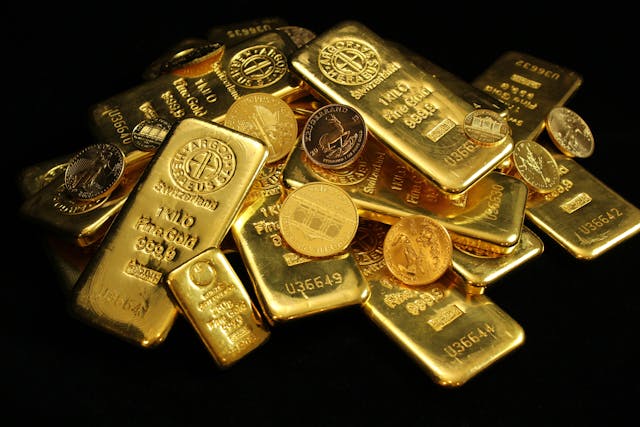
A pile of old jewellery and a recognised bullion product are not always handled in the same way. Bullion bars and certain coins can attract stronger pricing structures because the purity is clearer, the form is more standardised, and the resale pathway is different.
Someone selling bullion should expect the process to reflect that. The spread may still vary between buyers, but the pricing logic usually becomes a bit cleaner than it does with mixed jewellery, especially jewellery with uncertain composition or attached stones.
Buyer margins shape the final payout
No buyer is paying the full theoretical metal value without any margin. They need room for refining, administration, risk, overheads, and profit. That’s normal. The part sellers need to pay attention to is how transparent and reasonable the process feels.
One buyer may offer more than another for the same item because their margins, business model, or resale pathways differ. That’s why two quotes can vary without anything dishonest necessarily happening. Still, a clear explanation usually tells you plenty. If the process feels foggy or hurried, comparison shopping becomes even more worthwhile.
Documentation and professionalism count too
Price grabs all the attention, though the quality of the transaction matters as well. A proper buyer should weigh and assess the item clearly, explain the basics of the calculation, and handle identification and payment in a professional way.
That side of the process doesn’t increase the raw value of the gold, but it does affect whether the seller leaves feeling confident or slightly played. In practice, that distinction matters more than people often realise, especially if the amount involved is significant.
Timing can work in your favour, or not
Some sellers unload gold because they need cash quickly. Others wait, watch the market, and try to sell during a stronger pricing window. Neither approach is automatically right or wrong. It depends on why the gold is being sold and how much flexibility the seller has.
Anyone hoping to maximise price usually benefits from at least checking where the market sits before committing. Anyone selling small amounts from old jewellery may care less about perfect timing and more about getting a fair, straightforward deal from a buyer they trust.
A fair result usually starts with clear expectations
Selling gold for cash in Australia becomes much less mysterious once the main variables are out in the open. Purity, weight, the live market price, the form of the item, and the buyer’s margin do most of the heavy lifting. Not romance. Not original retail cost. Not how impressive the piece looks under shop lighting.
Sellers tend to do better when they walk in understanding that. It keeps the conversation grounded and makes it easier to tell the difference between a fair offer and a polished sales pitch.










Leave a comment