






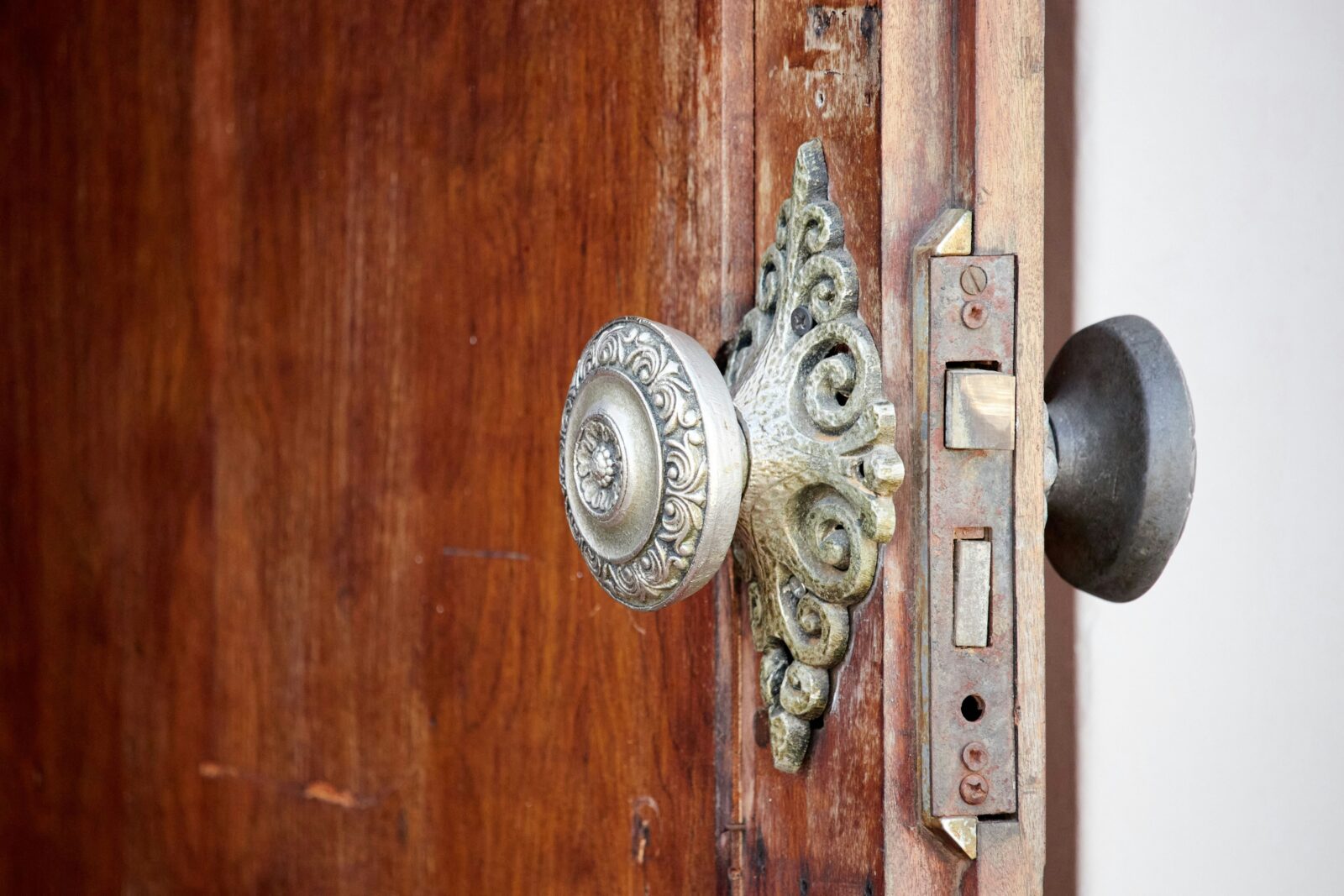
Hinges might not be the first thing that comes to mind when you think about essential components of your home or office. Yet, these simple devices play a crucial role in our daily lives. They are the unsung heroes behind every door and gate, ensuring smooth operation without drawing attention to themselves.
Imagine how cumbersome life would be if doors didn’t open properly or cabinets wouldn’t close securely. Hinges provide functionality and security while maintaining a seamless aesthetic appeal. Their quiet strength allows us to go about our routines without interruption.
Understanding hinges goes beyond their basic function; it’s about appreciating their importance in making everyday tasks easier and more efficient. Whether you’re renovating your space or simply looking for replacements, knowing what makes a good hinge can make all the difference in achieving that perfect balance between form and function. Let’s dive deeper into the world of hinges and discover how they contribute significantly to our lives.
The Role of Hinges in Everyday Life
Hinges are often overlooked, yet they play a crucial role in our daily routines. From the moment you wake up and open your bedroom door to getting into your car, hinges facilitate smooth movement.
In the kitchen, every cabinet relies on these simple mechanisms for easy access. Whether it’s grabbing utensils or reaching for spices, good hinges make everything seamless.
Even in technology, think about laptops and devices that fold open with ease thanks to sturdy hinges. They help maintain functionality while ensuring durability over time.
Outdoor spaces also benefit from quality hinges. Gates swing effortlessly when fitted with the right hardware, allowing us to enjoy our gardens without hassle.
Every day involves countless interactions with hinges we might not even notice until they fail. This silent workhorse silently supports convenience across various aspects of life.
Choosing the Right Material for Your Hinges
When selecting hinges, the material is a key consideration. It can significantly impact durability and functionality.
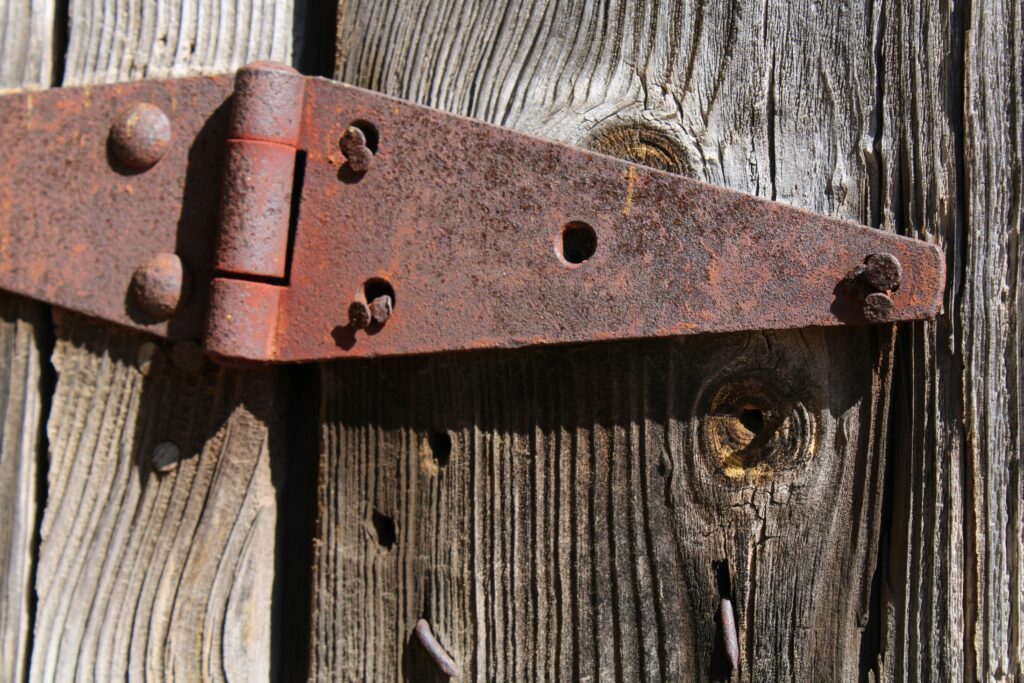
Steel is often the go-to choice for heavy-duty applications. Its strength makes it ideal for doors that see frequent use. However, steel hinges may rust if exposed to moisture without proper treatment.
For outdoor projects, stainless steel or brass offers better resistance to weather elements. These materials maintain their integrity over time and enhance aesthetic appeal.
Plastic hinges provide lightweight options suitable for less demanding environments. They are easy to install but might not withstand heavy loads as well as metal counterparts.
Consider your specific needs—what environment will your hinge face? The right material can ensure longevity and seamless operation in your daily life while adding value to your installation choices.
Factors to Consider When Purchasing Hinges
When purchasing hinges, size is a primary factor. Measure the door or gate where the hinge will be installed. An ill-fitting hinge can cause misalignment and functional issues.
Weight capacity matters too. Different hinges support varying loads. Ensure you select one that matches your door’s weight for optimal performance.
Consider aesthetics as well. Hinges come in various styles and finishes, so pick one that complements your decor while maintaining functionality.
The environment plays a role too. If your hinges are exposed to moisture or extreme temperatures, look for materials specifically designed to resist corrosion or wear.
Don’t forget about installation ease. Some hinges require specific tools or skills for proper installation, which could impact your decision based on DIY capabilities or professional help needed later on.
Types of Hinges and Their Uses
Hinges come in various designs, each serving a specific purpose. The most common type is the butt hinge. Found on doors and cabinets, it allows for smooth movement while providing strength.
Then there are continuous hinges, also known as piano hinges. They run the entire length of a door or lid, distributing weight evenly. This makes them perfect for heavy applications like toolboxes or grand pianos.
For unique needs, consider pivot hinges. These allow doors to rotate from a point at the top and bottom rather than the side. They’re often used in modern architecture for sleek entryways.
Concealed hinges hide away from sight when closed. Often found in kitchen cabinetry, they offer a clean aesthetic without sacrificing functionality. Each type has its place depending on your project requirements and design preferences.
Maintenance and Care for Long-Lasting Hinges
To ensure that your hinges remain strong, silent, and reliable over time, regular maintenance is key. Start by inspecting them periodically for signs of wear or rust. A little attention can go a long way in prolonging their lifespan.
Cleaning your hinges is essential. Use a soft cloth to wipe away dust and grime. For stubborn dirt, mild soap and water will do the trick without causing damage. After cleaning, it’s wise to apply lubricant like WD-40 or silicone spray to keep everything moving smoothly.
Pay attention to any squeaks or stiffness when opening or closing doors. These sounds often indicate that it’s time for lubrication. Simply spraying the hinge with lubricant can resolve these issues quickly.
If you notice any broken parts or corrosion, don’t hesitate to replace the hinge entirely rather than trying to make repairs that may not hold up over time. Using high-quality replacement hinges ensures continued reliability.
By taking these simple steps—cleaning regularly and applying lubricant as needed—you’ll keep your hinges functioning properly for years on end. A little care goes a long way in maintaining this often-overlooked component of everyday life.








Leave a comment