






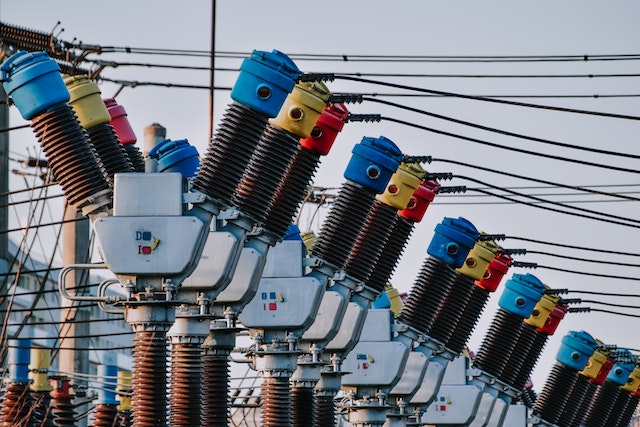
Power Infrastructure’s Increasing Significance in Data Centers
The foundation of the modern digital economy is data centers. Almost all contemporary conveniences, from streaming services and artificial intelligence to cloud computing and online banking, depend on safe and ongoing data processing. However, this is made possible behind the scenes by more than just servers and cooling systems. Equally important is a reliable and effective power infrastructure.
Facilities are growing in size and complexity at a rapid pace due to the rise in data demands. Electrical systems are under tremendous strain from high-density racks, sophisticated networking hardware, and constant uptime requirements. Data loss, monetary losses, and reputational harm can arise from even a short power outage. Because of this, dependable distribution and voltage management systems are crucial to the design of data centers.
The Significance of Transformers in Contemporary Facilities
Understanding the crucial role transformers play in ensuring constant voltage levels across vital equipment is crucial when talking about data center transformers. Incoming high-voltage utility power is reduced by these transformers to levels appropriate for cooling infrastructure, servers, and storage systems. Sensitive electronics would be exposed to harmful voltage levels in the absence of this conversion.
Transformers in these settings need to guarantee stability and low electrical noise in addition to simple voltage reduction. Precision transformers for data centers are susceptible to harmonics and fluctuations. Superior transformer systems are made to manage nonlinear loads produced by IT devices, avoiding inefficiencies and overheating. This guarantees more seamless operation and extends the useful life of expensive hardware.
Redundancy is another important component. Many facilities need multiple independent power paths because they are operating under Tier III or Tier IV standards. Transformers are frequently incorporated into uninterruptible power supply (UPS) systems or installed in parallel configurations. Even during maintenance or unplanned malfunctions, this multi-layered protection ensures uninterrupted operation.
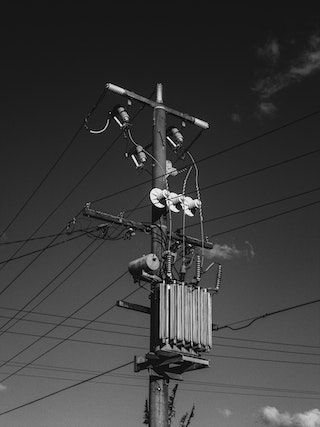
Design considerations, scalability, and efficiency
Since electricity is one of the biggest operating costs in data centers, energy efficiency is a top priority. The goal of contemporary transformer designs is to minimise both load and no-load losses. Manufacturers can minimise energy waste and greatly increase performance by using optimised winding techniques and premium core materials.
Scalability holds equal significance. Data centers rarely stay the same; they change as businesses expand and technology advances. Operators can increase capacity without experiencing significant disruptions thanks to modular transformer solutions. Facilities can scale power infrastructure in tandem with computing demands thanks to this flexibility, which supports phased development strategies.
Transformer performance is also affected by cooling techniques. Because dry-type transformers eliminate the need for oil containment systems and lower the risk of fire, they are frequently used indoors. Liquid-filled transformers can be used outdoors in larger installations to effectively manage higher capacity needs. Space limitations, load expectations, and safety requirements all play a role in choosing the best cooling technique.
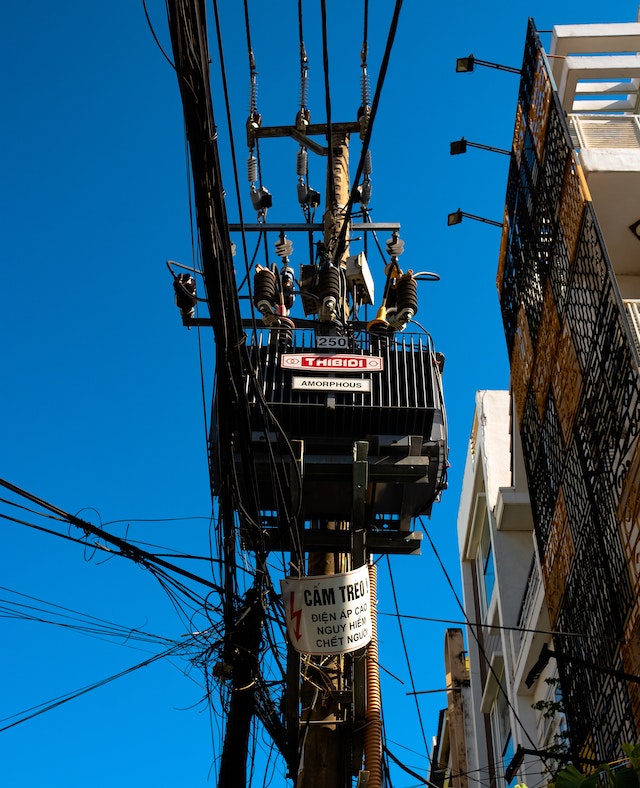
Dependability, Tracking, and Extended Performance
In data center operations, reliability cannot be compromised. Transformers must maintain thermal stability while running continuously under high loads. Temperature control technologies and sophisticated insulation systems help avoid unplanned breakdowns and premature wear. Long-term durability is further improved by proper installation and regular inspections.
Transformer units are increasingly being equipped with digital monitoring systems. These clever features offer up-to-date information on power quality, temperature, and load levels. By performing predictive maintenance and identifying anomalies early, operators can lower the risk of downtime. In addition to safeguarding equipment, this proactive strategy maximises operational effectiveness.
Sustainability is now a key factor as well. A lot of businesses want to lessen their carbon footprint, and effective transformer systems help them achieve this. Transformers assist data centers in meeting environmental goals without sacrificing dependability by reducing energy losses and facilitating the integration of renewable energy sources.
The need for robust and effective electrical infrastructure is only increasing as the global digital transformation picks up speed. Transformers made especially for data center settings improve operational security, support scalability, and guarantee steady voltage. With careful planning, upkeep, and contemporary monitoring tools, these vital parts contribute to the power of the digital services that influence daily life.










Leave a comment