







Fine motor skills are the small but mighty movements that allow toddlers to grasp, pinch, twist, stack and manipulate objects. These skills are essential for everyday tasks such as feeding themselves, drawing, buttoning clothes and, later on, writing. The good news is that developing fine motor skills doesn’t need to feel like “learning” at all — the right toys naturally encourage these movements through play.
When thoughtfully chosen, toys can support coordination, strengthen little hands and fingers, and build confidence. Many parents also appreciate toys made with quality materials and purposeful design, like those found at Geppetto’s Workshop, where play and development go hand in hand.
Here are some of the best types of toys to support fine motor development in toddlers, along with what makes each one so effective.
Why Fine Motor Skills Matter in Early Childhood
Between the ages of one and three, toddlers experience rapid physical and cognitive growth. Fine motor development during this stage helps with:
- Hand–eye coordination
- Finger strength and dexterity
- Bilateral coordination (using both hands together)
- Problem-solving and focus
- Independence in daily activities
Toys that require toddlers to grasp, place, thread, twist or push are especially beneficial, as they mimic the movements used in real-life tasks.
Stacking and Nesting Toys
Stacking toys are a classic for a reason. Whether it’s wooden blocks, rings on a pole or nesting cups, these toys encourage toddlers to carefully align objects and control their movements.Benefits include:
- Improving hand–eye coordination
- Developing precision and control
- Encouraging patience and problem-solving
As toddlers experiment with balance and gravity, they also gain early spatial awareness.
Puzzles With Knobs or Pegs
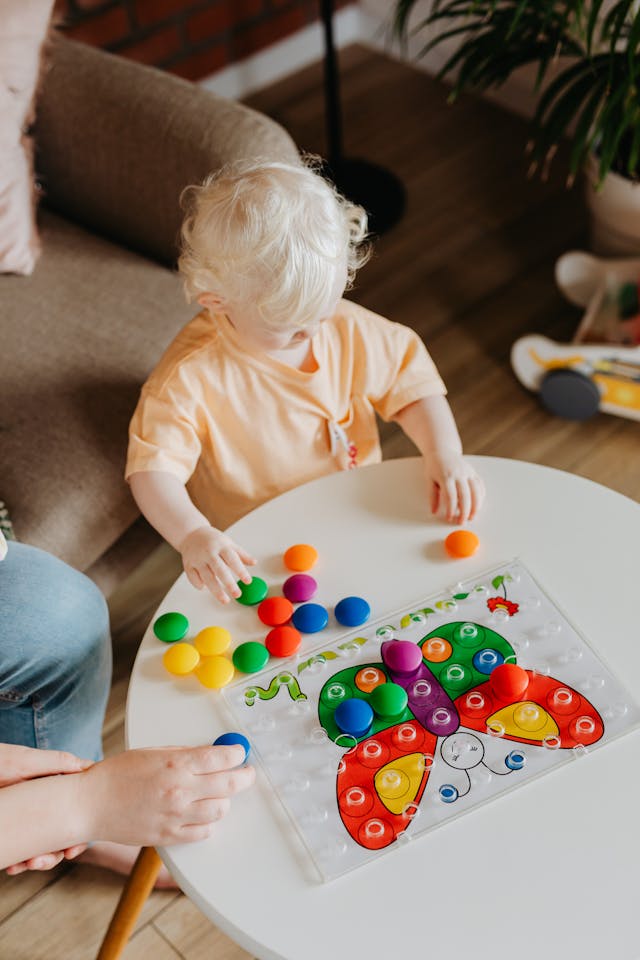
Simple puzzles with chunky pieces or small knobs are excellent for strengthening finger muscles. Picking up and placing each piece requires controlled movements and concentration.Why they’re effective:
- Strengthen the pincer grip
- Improve visual discrimination
- Build persistence and focus
Start with basic shapes or animal puzzles and gradually increase complexity as confidence grows.
Threading and Lacing Toys
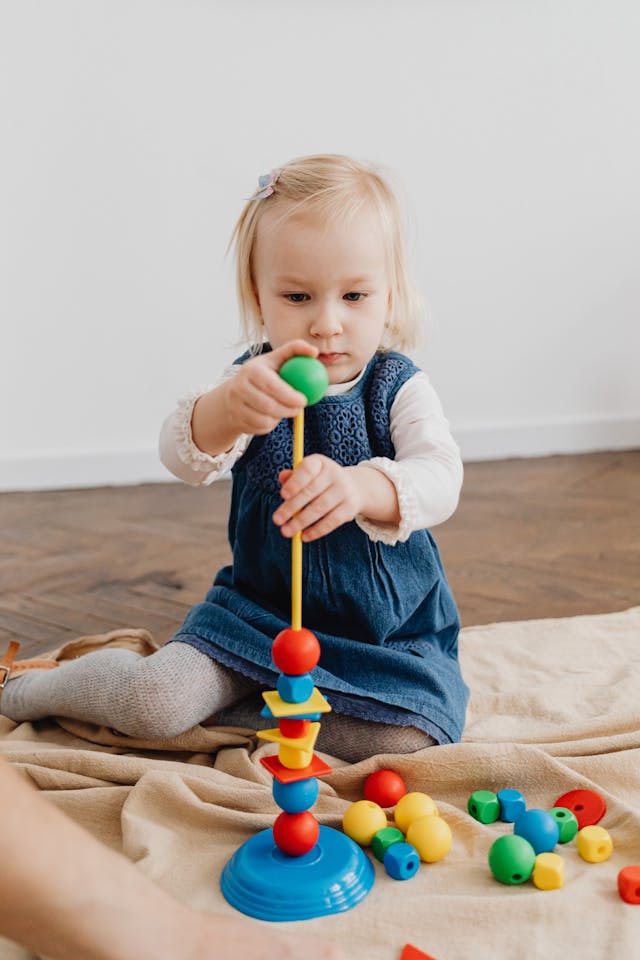
Threading beads, lacing cards and similar toys are powerful fine motor tools. They require toddlers to coordinate both hands while guiding a string through holes.Key developmental benefits:
- Enhances bilateral coordination
- Refines finger dexterity
- Builds early pre-writing skills
These toys also encourage slower, more deliberate movements, which can help with attention and emotional regulation.
Shape Sorters and Posting Toys
Posting coins, shapes or pegs into matching slots is a fantastic way to combine fine motor skill development with early problem-solving.What toddlers learn:
- Controlled grasp and release
- Shape and size recognition
- Cause-and-effect understanding
These toys are especially engaging because they offer immediate feedback when a piece fits correctly.
Busy Boards and Activity Boards
Busy boards feature a variety of switches, latches, zips, knobs and buttons — all designed to be manipulated by small hands. They’re ideal for curious toddlers who love exploring how things work.Why parents love them:
- Strengthen hand and finger muscles
- Encourage independent play
- Support real-life skill development
They also help toddlers practise everyday movements in a safe, play-based way.
Arts and Crafts for Toddlers
Age-appropriate art tools such as chunky crayons, washable paints and toddler-safe scissors also play a role in fine motor development.Creative play helps with:
- Grip strength and control
- Hand–eye coordination
- Self-expression and confidence
Even simple activities like peeling stickers or rolling playdough can make a meaningful difference.
Choosing the Right Fine Motor Toys
When selecting toys for fine motor development, consider the following:
- Age appropriateness: Toys should challenge without frustrating
- Open-ended play: Allows skills to develop naturally over time
- Quality materials: Durable, safe and tactile materials enhance engagement
- Simple design: Avoid overstimulation so focus stays on movement
Wooden toys and thoughtfully crafted activity sets are often favourites because they encourage hands-on exploration without distractions.
Final Thoughts
Fine motor skills are built through repetition, curiosity and play. By offering toddlers toys that invite them to grasp, place, thread and manipulate objects, you’re supporting essential developmental milestones in a fun and engaging way.The best toys don’t just entertain — they empower toddlers to explore what their hands can do, laying the groundwork for confidence, independence and lifelong learning.










Leave a comment